Remote work travel tends to feel just outside the realm of possibility for most people. We imagine digital nomads either lounging on beaches as freelancers or crafting beautiful, Instagram-worthy content day in and day out. But in reality, it’s far less glamorous. More and more professionals are seeking to forge paths where they can live on their own terms, all while maintaining a dependable and decent paycheck.
Getting there however, can look like everything but straightforward. It may start with feeling burnt out at your desk job, feeling like offices are rigid, or wanting more flexibility in life and career. Then there’s the feeling of being unable to progress professionally without leaving your current location.
Hitting that sweet spot is where the digital nomad life starts to become a reality. It probably won’t happen overnight, but by taking steps to work remotely, take on short-term contracts or study online, you can start to merge these concepts and upskill without pulling away from earning completely.
Here’s how it’s done in 2026:
Study on the Move: Education Without Borders
The availability of online Master of Project Management degrees, complemented by adaptable online degrees, certifications, and micro-credentials, has dramatically simplified the process for digital nomads to continue their education without halting their careers. Portable learning platforms allow learners to travel between time zones and cities while remaining connected to curriculum and classmates from around the world.
Project management, in particular, is an attractive option to study as a digital nomad. Because much of the work and jobs related to project management are remote or done with distributed teams, gaining qualifications online can lead to industry-recognised and even globally recognised certifications that will look good to future employers.
No longer do learners have to wait until they’re settled in a new city to continue their education. They can study while on the go and at times that work for them, around their travelling schedule, clients, or even while exploring new places.
Another benefit of obtaining a certification in project management is that the skills gained are highly transferable. Not only will you learn how to coordinate a team and lead remote workers, but you’ll also become fluent in Agile project management workflows. These are all skills you can take with you to your future remote career. Digital nomads are flocking to established structures like project management to help ground them and provide portability and stability for their future.
Balancing Work and Exploration
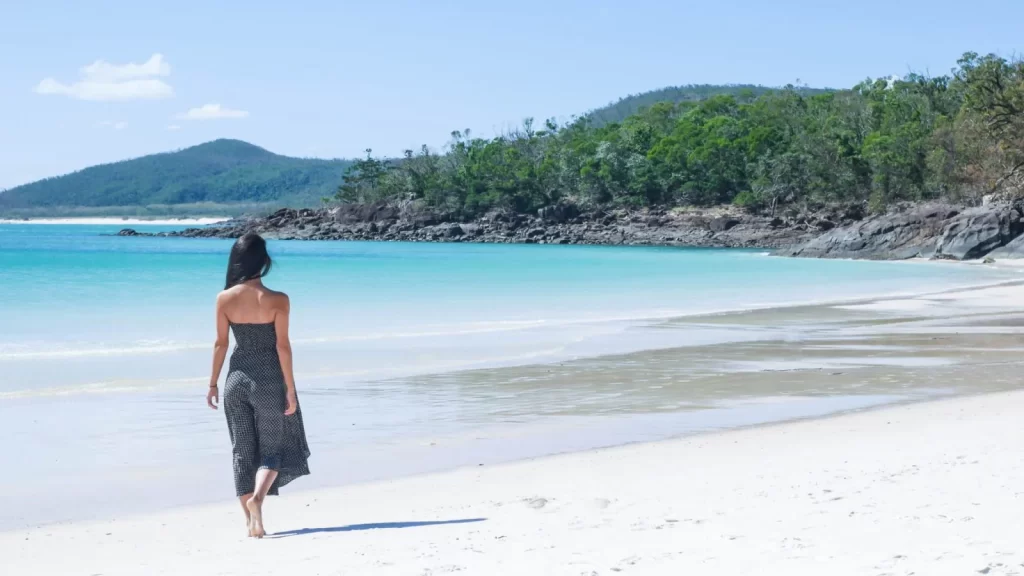
The downside of remote jobs is that just because you can work anywhere doesn’t mean it’s always easy. Because you can work from anywhere you want, it can also be difficult to take time off because there’s no clear delineation between “at work” and “not at work.” Not having a structured schedule or office environment can lead some digital nomads to experience longer workdays than they’d like or to have trouble disconnecting from travel as work.
When work travel becomes a constant, burnout can quietly set in due to the recurring challenges of securing lodging, ensuring connectivity, and navigating time zone adjustments. Many remote workers counteract this by creating structure for themselves when they travel by blocking off time to work, setting hard stop times for when they’re unavailable, and creating a routine that allows them to live and work off of their own energy.
Beyond logistics, immersing yourself in a new culture can alter your daily flow, affecting meal schedules and communication availability, which in turn influences your work-life balance while travelling.
The New Shape of Work, Travel & Study
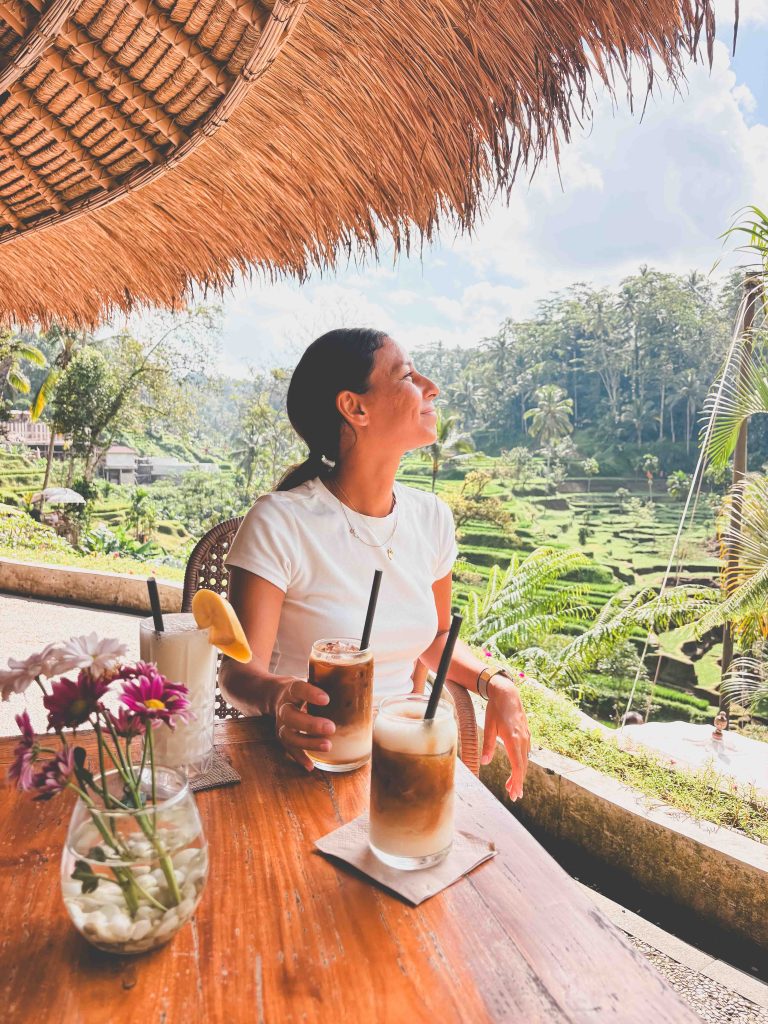
Instead of traditional career paths, we’re seeing more hybrid paths that weave together careers with travel and learning experiences. Remote work is redefining career stability shifting from location-dependent offices to skills-based careers that can be done anywhere with Wi-Fi.
This shift is part of why more and more people are becoming digital nomads, as industries increasingly accept remote-first and asynchronous ways of working. Location-independent work is becoming a viable career option, rather than remaining something just for freelancers and early-career adopters.
People are breaking free from conventional employment, earning a living by combining journeys with ongoing education. Instead of rigid career steps, we’re observing the rise of continuous career trajectories, integrating work, education, and travel more fluidly.

The Digital Nomad Toolkit: How People Actually Make It Work
Surprisingly, there’s actually pretty boring tech fueling most digital nomads’ workflows. Many digital nomads start out on digital nomad job boards and freelance communities looking for work that suits their lifestyle. This usually turns into their primary gig while on the road.
Next are messaging apps and video calls, project management, and cloud drives. It may seem glamorous but in reality, it’s probably hyper-curated around what tools and systems they use to stay organised with time zones, deadlines, and client availability. When you’re always on the go, you can’t let anything fall through the cracks.
There are also tons of time-management hacks for every nomad’s individual workflow. Blocking off focused work time, timeboxing tasks to work on certain projects, or scheduling your workflow to when your Wi-Fi connection is the most reliable. It’s a common quip that having the best laptop is essentially all you need to kickstart the digital nomad journey. It’s an oversimplification, but not by much.

Challenges of the Digital Nomad Lifestyle
That being said, there’s also never-ending problems and pet peeves as a digital nomad that happen and factor into your day-to-day decisions. Spotty Wi-Fi is one that many nomads can probably relate to. If you find yourself in a place with bad internet, it’s hard to just jump on a call or make a deadline without some type of backup plan.
Understanding visa restrictions is another common annoyance. Countries are opening up to remote workers, but there are still limitations or grey-area rules when it comes to working remotely for an extended period of time. That means digital nomads have to be smart about how long they stay in each location. Uneven income can also be something you deal with daily. If you’re a freelancer or contract worker, your pay probably ebbs and flows month to month.
Even if you have a traditional remote job with consistent hours and a set paycheck, you’ll still likely find yourself crunching exchange rates, paying taxes in different countries, and working around a variable cost of living. Remote work gives you the opportunity to solve these issues by becoming a nomad, but that doesn’t mean they don’t exist.

The Future of Work, Travel & Study
Education, jobs and projects are blending in new ways that would have seemed strange ten years ago. People aren’t just moving through a straight path of study, work, and promotion anymore; instead, they’re blending various work approaches. Students are now often found working remotely for businesses worldwide, picking up new skills to boost their freelance income.
With their broad applicability across different work settings and career stages, from initial roles to extensive experience, project management competencies are seeing a rise in demand. Simultaneously, businesses are broadening their perspective on what constitutes a valuable team member, prioritizing what’s produced, how effectively people work together, and their agility. The result is a workforce less tied to geography and more to capability, reshaping how talent is sourced and retained.

Is the Digital Nomad Life Sustainable?
Success in the long-term really depends on expectations. For some digital nomads, remote work becomes a lifestyle that they maintain forever. For others, it’s just a season in their lives. Generally speaking, if you enjoy bouncing around, you need to have some type of portable framework around you — projects that are consistent enough to allow you to move frequently, and routines that can be easily established wherever you go.
People who don’t manage to make this lifestyle work often underestimate the sheer mental energy the constant planning and movement demands. You aren’t just dealing with travelling all the time, you’re making decisions about where to travel to all day, every day. Many people switch to traveling slower, picking places to “stay” for a season or switch to a hybrid nomad lifestyle.
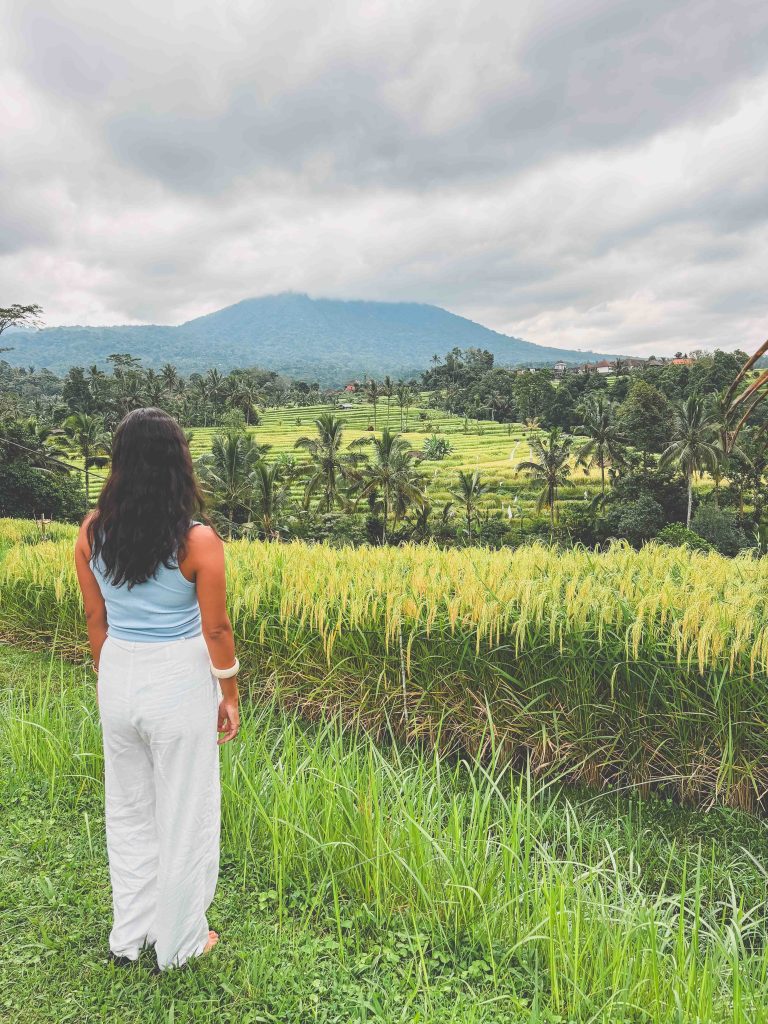
Being a digital nomad is less about ticking a box and more about finding the right balance of living anywhere and having a regular life that suits you at a particular point in time.