There’s a moment every Bali trip where the plane doors open and that warm, frangipani-and-clove-cigarette air hits you. I’ve felt it more than 30 times now, and it still makes me grin. What doesn’t make me grin? Standing in a visa payment queue with a tired toddler on my hip, then hunting for a SIM kiosk while a driver waits somewhere outside with no way to message him.
On our May 2026 trip, we landed at night with Kylo and baby Zadie and went straight to the Hyatt Regency Bali in Sanur. Late arrivals with kids are exactly when you want zero admin between the plane and your bed. The two things that make that possible are sorting your Bali eVisa (e-VOA) and a Bali eSIM before you leave home.
This guide covers both, plus the bits most “how to enter Bali” posts skip: the mandatory All Indonesia arrival card, the Bali tourist levy, the truth about Indonesia’s IMEI phone rules, and how much data you actually need. If you’re travelling to Bali with a baby or young kids, I’ve added the family-specific stuff throughout.
1. Bali Evisa Guide for entry in 2026: what you need at a glance
Entry rules have changed a lot since 2023, and the sponsor’s draft missed two of the three things you now need. Here’s the full list for Australians (and most Western passports) as of November 2026:
| What | Cost | When to do it | Where |
|---|---|---|---|
| e-VOA (electronic visa on arrival) | IDR 500,000 per person, plus a small card fee | Any time before you fly | Official Indonesian eVisa portal |
| All Indonesia arrival card | Free | Within 3 days of landing | allindonesia.imigrasi.go.id |
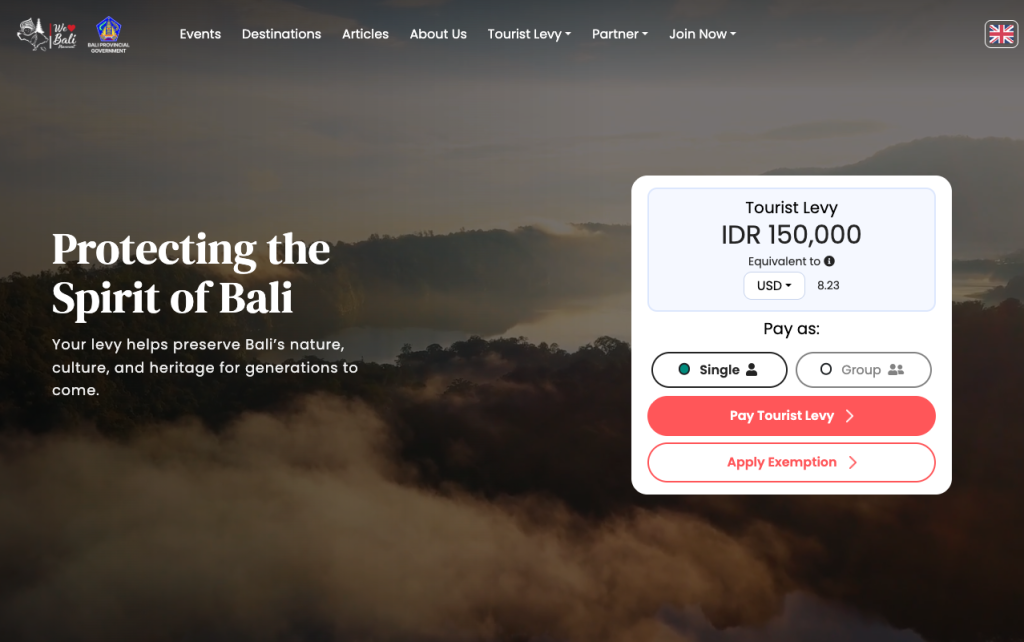
| Bali tourist levy | IDR 150,000 per person, one-off | Before you fly, or on arrival | Official Love Bali website or app |
| Passport | n/a | Check now | Valid 6+ months from your arrival date |
Kayla’s tip: Everyone in your group needs their own e-VOA, arrival card and levy payment, kids and babies included. I do all three for the whole family in one sitting, about a week before we fly, and screenshot every QR code into a single phone album called “Bali entry”.
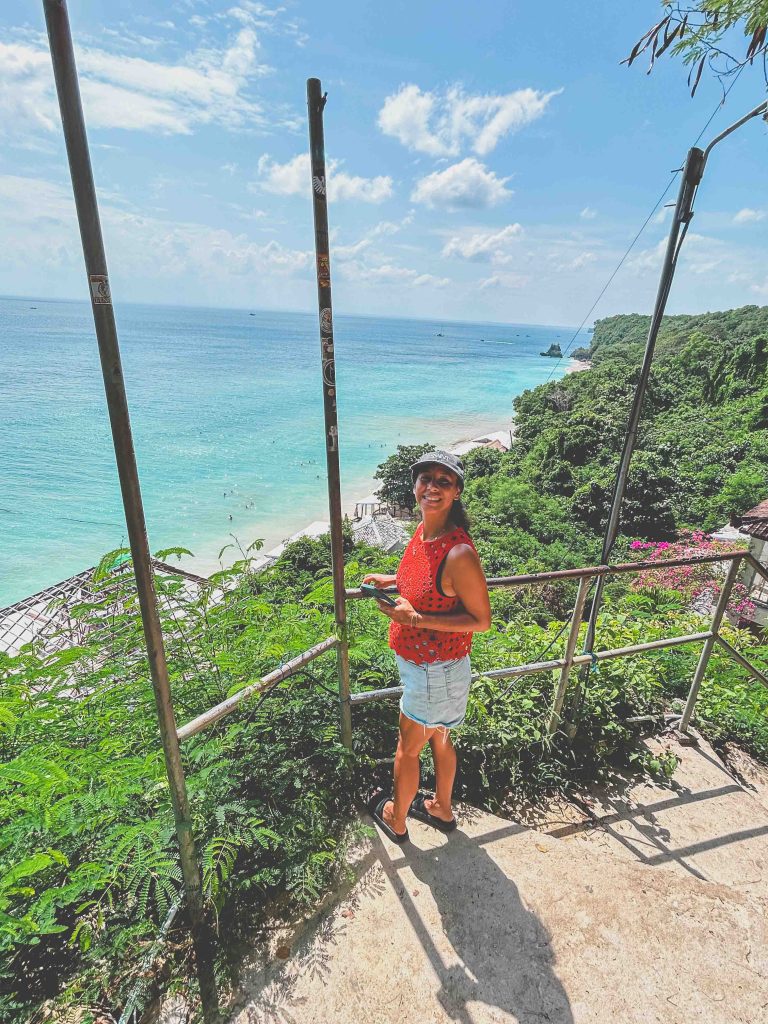


Wapa di Ume Sidemen – Where we stayed!
🏆 9.5 rating on booking.com
We stay in the private pool family villa, which was perfect. The staff here were so amazing with the kids and bonus there’s even a playground with a trampoline down by the lake!
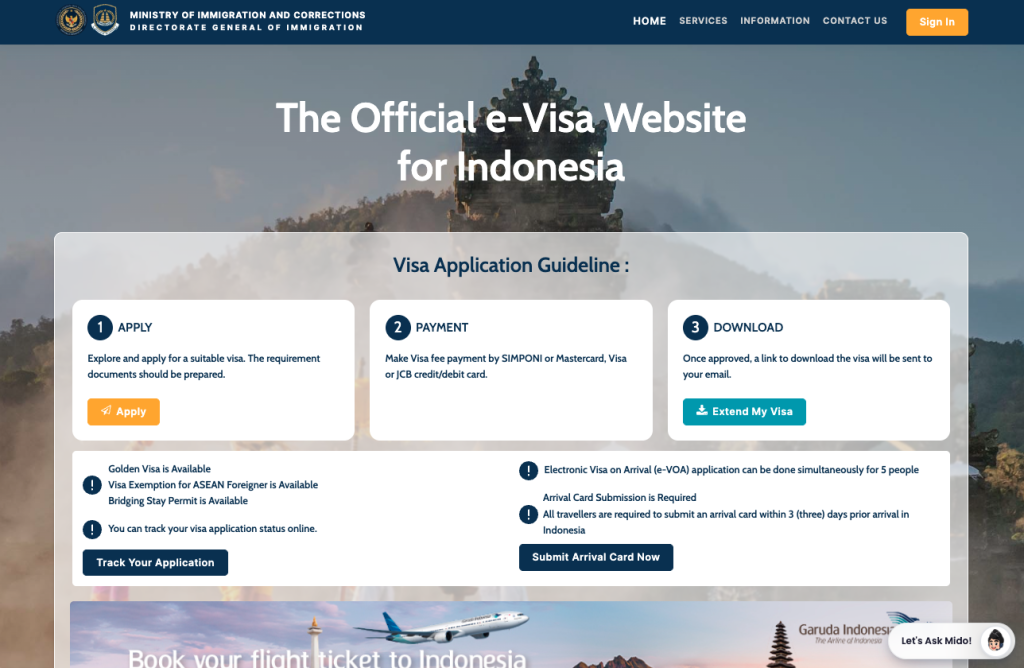
2. How to get your Bali eVisa (e-VOA)
The e-VOA is the same 30-day visa on arrival you can buy at the airport, but you pay for it online before you go. It’s the single biggest time-saver of the whole trip, because you skip the payment counters completely and walk straight to passport control.
How to apply:
- Go to the official Indonesian eVisa portal (evisa.imigrasi.go.id). Only use the government site, as the agency sites that rank on Google charge well above the IDR 500,000 government fee.
- Choose the visa on arrival (B1) option and enter your passport and travel details.
- Upload a passport photo and a scan of your passport bio page.
- Pay by Visa, Mastercard or JCB.
- Your e-VOA arrives by email as a PDF with a QR code. Save it to your phone and print one copy as backup.
Extending your stay: The e-VOA is valid for 30 days and can be extended once, for another 30 days, giving you 60 days in total. You can apply for the extension online too, so most people never need to visit an immigration office.
3. The All Indonesia arrival card and Bali tourist levy
These are the two steps people forget, and both can hold you up at the airport.
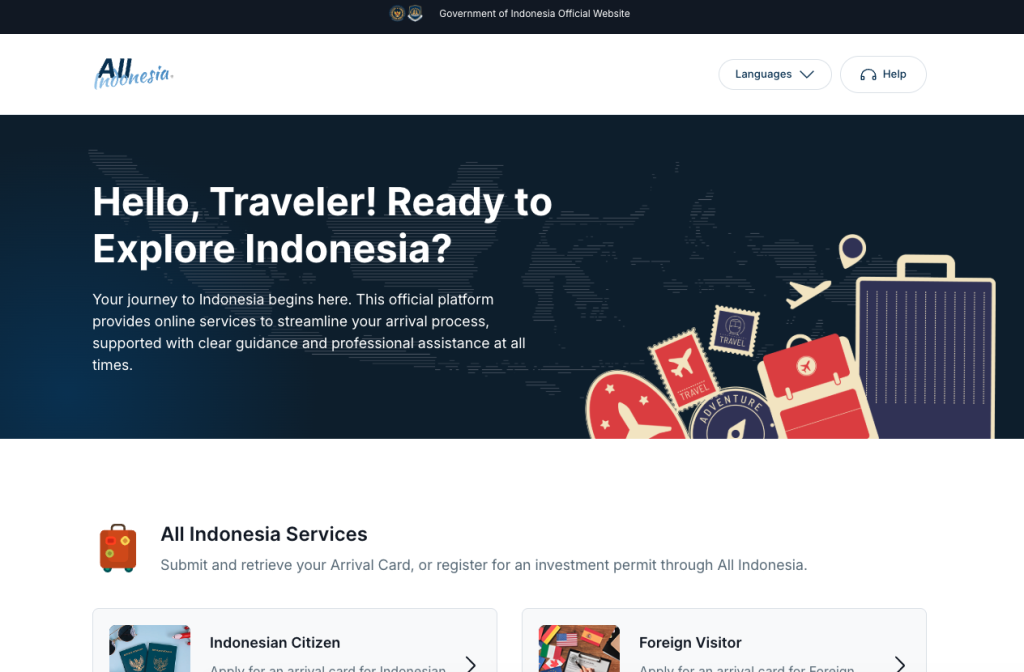
The All Indonesia arrival card replaced the old customs form and SATUSEHAT health declaration in late 2025. It’s one free online form covering immigration, customs and health. You can only submit it within the 3 days before you land, so set a reminder. You’ll get a QR code to show on arrival.
The Bali tourist levy is a one-off IDR 150,000 per person, separate from your visa. It funds environmental and cultural protection on the island. Pay it through the official Love Bali website or app before you fly, and keep the QR voucher handy. You can pay on arrival, but it’s one more queue.
Kayla’s tip: Watch out for lookalike sites for both of these. The arrival card is free, so if a site is charging you for it, close the tab.
4. What arriving at Denpasar airport actually looks like
With everything sorted in advance, arriving at Ngurah Rai International Airport goes like this: walk off the plane, skip the visa payment counters, show your passport and e-VOA at immigration (or use the automated e-gates if you’re eligible, kids under 6 can’t use the gates), collect your bags, scan your arrival card QR at customs, and walk out.
With kids, that difference matters. On a night arrival, every queue you skip is another chance your toddler stays asleep in the carrier.
When we arrived in May 2026, the kids were so tired but it was so quick getting through immigration. We were off the plane and through to collect our bags within 10 mins. We just had to wait for our luggage for 10 minutes.
Once we got out bags we walked straight through customs ( you just need to show your QR code) and we had our driver waiting on the other side.
I had an esim installed so as soon as we were waiting for our bags i msged our driver on Whatsapp to let him know our ETA.
If it’s your first trip and you’re still deciding where to base yourselves, my guide to the best areas in Bali breaks down which suit families, couples and first-timers. Planning with little ones? Start with the best things to do in Bali with kids, my guide to travelling to Bali with a baby, and the best family resorts in Bali.

Wapa di Ume Sidemen – Where we stayed!
🏆 9.5 rating on booking.com
We stay in the private pool family villa, which was perfect. The staff here were so amazing with the kids and bonus there’s even a playground with a trampoline down by the lake!
5. Why I use an eSIM for Bali
An eSIM for Bali is a digital SIM you download to your phone. You buy a Bali or Indonesia data plan online, install it at home over wifi, and it connects to a local network the moment you land. No kiosk, no passport handover, no tiny SIM tray and paperclip in a dark taxi.
The first thing I need in Bali is data: to message our driver, open Grab or Gojek, and send the “we’ve landed” text to family. With an eSIM, all of that works before we’ve even reached the baggage carousel.
What I love about it with kids:
- Instant data when you’re most frazzled. Arriving with tired kids is not the time to queue at a phone counter.
- Keep your home number. Most modern phones run two SIMs at once, so your Australian number stays on for bank verification texts while the eSIM handles data.
- Hotspot for the family. One good plan can share data to your partner’s phone or a tablet in the car on long transfers.
Kayla’s tip: Once you land, turn data roaming on for the eSIM line and off for your home SIM. Travel eSIMs work by roaming, so without that switch you’ll see signal but get no data. And leaving roaming on for your home SIM is how people get a nasty bill back home.

6. Indonesia’s IMEI rules: the truth
You’ll read a lot of scary stuff online about Indonesia’s IMEI rules. Indonesia does register phones by their IMEI number to stop untaxed handsets being sold. But for a normal holiday, here’s what it actually means:
- Staying under 90 days with a travel eSIM? You don’t need to do anything. International travel eSIMs connect as roaming services, so customs IMEI registration doesn’t apply.
- Buying a local physical SIM (or a local Indonesian eSIM)? The official operator counter registers your phone against your passport, which gives you up to 90 days of service. It’s not hard, just slower.
- Staying longer than 90 days? You’ll need to register your phone’s IMEI properly with customs. That’s mostly a digital nomad and long-stay issue.
So an eSIM isn’t a loophole, it’s just simpler. The real win is skipping the counter, not dodging a law.


7. Bali’s mobile networks: who’s best where
Most travel eSIMs connect through one or more of Bali’s three main networks. It’s worth knowing who’s strongest where, especially if your Bali itinerary heads off the main tourist strip.
| Network | Best for |
|---|---|
| Telkomsel | Widest coverage across the island, including rural and mountain areas |
| XL Axiata | Strong, fast service in the busy south: Canggu, Seminyak, Uluwatu and Ubud |
| Indosat Ooredoo Hutchison | Solid backup network around Denpasar and the main resort areas |
Check which network your eSIM uses before you buy, and pick Telkomsel-backed plans if you’re heading to quieter spots like Sidemen and Munduk.


8. How much data do you need in Bali?
Bali runs on apps. You’ll use maps, Gojek, WhatsApp and translation every day, so it’s worth a little more data than you think.
| Traveller type | Data | Good for |
|---|---|---|
| Light traveller | 5–10GB | 7–10 days of maps, Grab or Gojek, WhatsApp and some social media |
| Families and content lovers | 15–20GB | Two weeks with photo uploads, video calls home and hotspotting a second phone |
| Remote workers | 30GB+ or unlimited | Zoom calls and file uploads (check the fair use policy, as “unlimited” plans often slow down after a daily cap) |
Kayla’s tip: With kids, I lean to the bigger plan. Hotspotting cartoons on a long transfer eats data fast. Download shows and offline Google Maps on your villa wifi the night before a long drive.
For the last 3 week trip I got 2 lots of 18GB. I didnt finish the second lot of 18GB but i think next time ill just get the Unlimited plan.
Working out your budget? My Bali trip costs breakdown includes connectivity alongside visas, stays and food. And for everything else to bring, see my Bali packing list.

9. The WhatsApp economy (and why you don’t need a +62 number)
Most travel eSIMs are data-only, so you won’t get a local Indonesian phone number. In Bali, that genuinely doesn’t matter. Almost everything runs on WhatsApp: villa managers, drivers, tour operators, spas and restaurants all take bookings there. Grab and Gojek handle driver messages inside the app.
Kayla’s tip: Before you fly, save your accommodation’s and driver’s WhatsApp numbers. We’ve used the same trusted drivers across trips and organise everything with them by WhatsApp, from airport pick-ups to car seats for the kids.
10. eSIM tips for families
- Check your phone first. Most iPhones from the XS onwards and recent Samsung and Pixel phones support eSIM. Your phone also needs to be unlocked, so call your carrier if you’re unsure.
- Install at home, activate in Bali. Scan the QR code before you leave, but most plans only start their validity when you connect to an Indonesian network.
- One plan, or two? If both parents want maps and messages on long day trips, a plan each is less stressful than relying on one hotspot.
- Keep the QR code. Save it somewhere safe in case you need to reinstall.
- Wifi is your friend. Villas and cafes usually have decent wifi, so save big downloads for there.
11. Your Bali pre-flight checklist
Do these at home, on wifi, in the week before you fly:
- Passport valid for 6+ months from your arrival date (everyone, including kids)
- e-VOA bought on the official eVisa portal for every traveller
- Bali tourist levy paid through Love Bali for every traveller
- All Indonesia arrival card submitted (within 3 days of landing)
- Phone checYes. Every traveller needs their own e-VOA, arrival card and tourist levy payment, whatever their age.
- ked for eSIM support and unlocked
- eSIM installed and labelled “Bali” in your phone settings
- Grab, Gojek, WhatsApp and Google Maps downloaded, with offline maps saved
- Driver and accommodation WhatsApp numbers saved
- All QR codes screenshotted into one album, plus a printed backup
Want the printable version? Grab my free Bali trip planning checklist (PDF). [CTA: Flodesk opt-in block]
12. My verdict
Sorting your eVisa and eSIM before you fly is the easiest upgrade you can make to a Bali trip. It costs you 20 minutes at home and saves you a lot more than that at the airport, at exactly the moment you’re most tired.
Who it’s for: Families arriving with kids (especially on late flights), first-timers who want a calm arrival, and anyone who needs data the second they land to find their driver.
Who it’s not for: Travellers staying longer than 90 days who’d be better off with a properly registered local SIM, and people who genuinely need a local +62 number for calls.
Would I do it again? Every single trip. I don’t land in Bali without it now.
Now that the admin’s done, the fun part: start planning your days with my 10-day Bali itinerary and the best things to do in Bali.
Bali Evisa & Esim FAQ
Do I need a visa for Bali?
Most travellers, including Australians, need a visa on arrival. Buy it online as an e-VOA before you fly to skip the airport payment queue. It costs IDR 500,000 and lasts 30 days.
Can I extend my e-VOA?
Yes, once, for another 30 days, giving you 60 days in total. You can apply for the extension online.
Do kids and babies need their own visa?
Yes. Every traveller needs their own e-VOA, arrival card and tourist levy payment, whatever their age.
What is the All Indonesia arrival card?
It’s a free, mandatory online form covering immigration, customs and health. Submit it within the 3 days before you land and show the QR code on arrival.
Do I need to register my phone’s IMEI in Bali?
Not for a holiday under 90 days on a travel eSIM. Local SIMs are registered for you at the operator counter, and stays over 90 days need customs registration.
Will my eSIM work as soon as I land?
Yes, if you installed it before you left and switch data roaming on for the eSIM line once you land.
Do I get a local phone number with an eSIM?
Usually not, as most travel eSIMs are data-only. In Bali that’s fine, because drivers, villas and restaurants all use WhatsApp.
Which network is best in Bali?
Telkomsel has the widest coverage, especially in rural areas. XL Axiata is fast in the busy south.
Found this pin helpful? Be sure to pin and share!