Food is one of the greatest gateways to culture – and nowhere is that truer than in Indonesia. With 17,000 islands, Indonesia is rich with diverse heritage, warm hospitality, and incredible value for money, especially when it comes to food. I’m Kayla, and together with my family, we have visited Bali and the wider Indonesian archipelago over 30 times. Over those trips, we’ve not only relaxed on beaches and explored rice paddies, but also hunted down the best hidden warungs, late-night street stalls, and high-end Indonesian restaurants.
If you’ve enjoyed our popular posts like “Places to Visit in Bali”, “Bali Itinerary” and “Things to do in Bali with Family”, you’ll love this immersive journey through Indonesian cuisine!
In this updated guide to the best Indonesian food to try on your next visit, we’ll dive deep into both iconic dishes and under-the-radar plates. We’ll explore how the bold spice blends and local ingredients weave together into unforgettable meals, suggest must-try dishes, and show how food is one of the top things to do in Bali. Most meals, including breakfast, are served with rice.
Literally meaning “fried rice, nasi goreng is considered the national dish of Indonesia and can be found everywhere! Sambals are also a staple in the vibrant cuisine; you will usually find the chilli-based condiments either a part of your meal or on the table, ready to be added! Another interesting Indonesian fact is that the intense flavours in lots of Indonesian food come from a very sweet and sour ingredient called kecap manis translates to sweet soy sauce.
Indonesia’s humid climate and rich volcanic soil make it a haven for tropical produce, from vibrant fruits to fresh vegetables and aromatic herbs. You’ll find an abundance of dried spices woven into everyday cooking, including coriander, cardamom, cinnamon, cumin, cloves and nutmeg. Most Indonesian curries combine these warming dried spices with fresh herbs to create the deep, layered flavours the islands are known for.
Being half Indonesian, I am no stranger to this wonderful cuisine where chilli is a staple! We grew up on curries, mie and nasi goreng and stir-fries, which formed my love for spices and an appreciation for flavour combinations SEA is known for! Here are my top Indonesian foods to try on your next visit!

First time coming Bali?
📌 Want everything to plan your trip in one place?
I’ve turned 30+ trips into The Bali First-Timer Bundle — a complete planning guide with area breakdowns, a budget breakdown, packing list, eVisa guide, sample itineraries and so much more. Everything in this post (and a lot more) in one place, ready before you fly.
Related: “Indonesia Bucket List
Spices, Culture & Indonesian Food Traditions
One of the things that makes Indonesian cuisine so special is the way regional cultures, spices and local ingredients combine to tell a story. From Sumatra to Bali and Java to Sulawesi, each island has its own versions of sambal (chilli relish), bumbu (spice pastes), and cooking techniques. For example, the sweet-soy soy sauce (kecap manis) gives so many dishes that unmistakable caramelised flavour; tamarind, galangal, kaffir lime leaves and candlenut add aromatic depth.
When you sit down to try Indonesian food, you’re also tasting history. Street-side warungs sit beside palace-heritage restaurants; humble rice-field homes sit next to sleek modern bistros. And food is always social — shared plates, long lunches, bold flavours and a connection to land and labour.
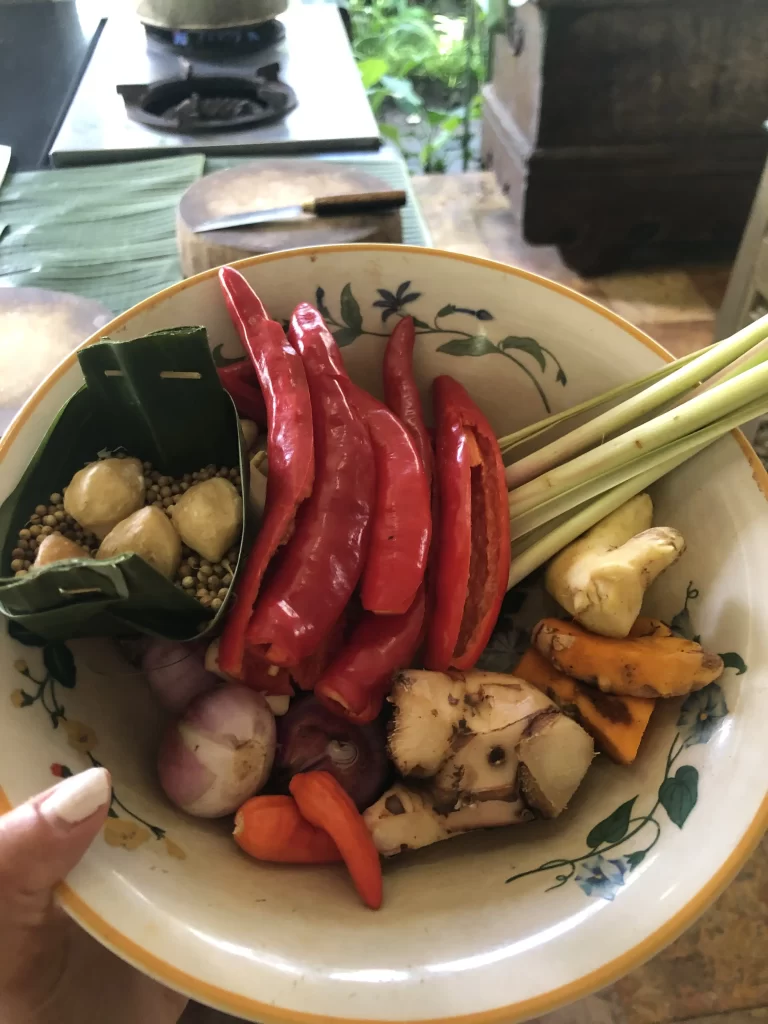
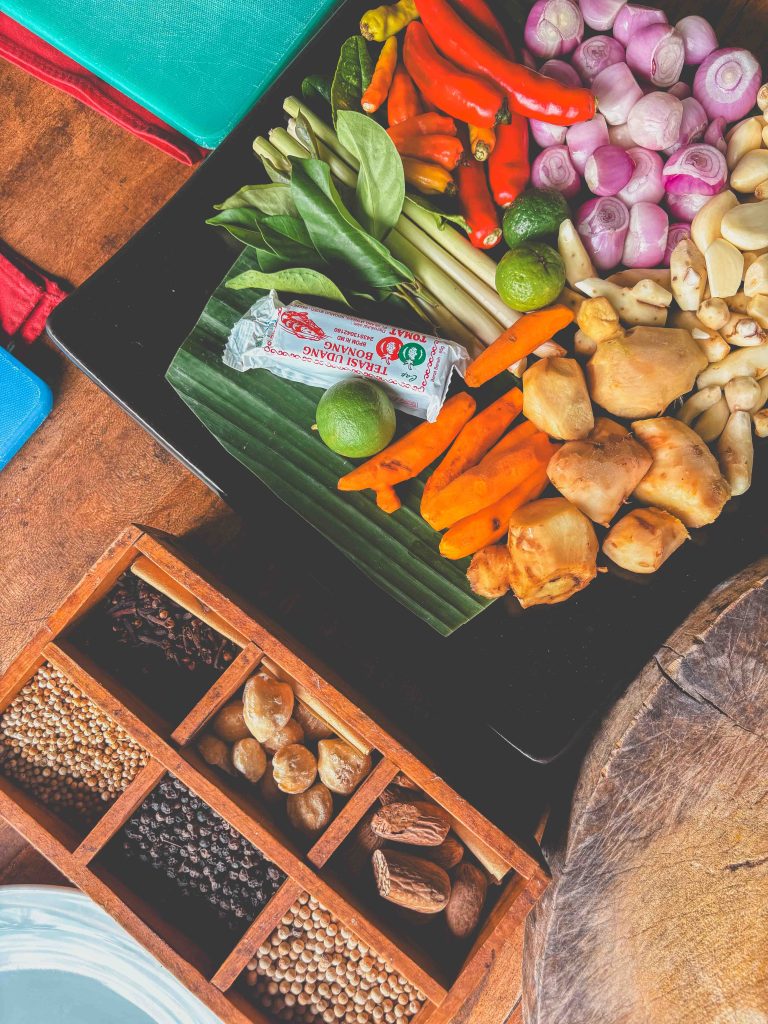
Whether you’re seeking things to do in Bali for couples and including an immersive food experience, or looking for a family-friendly culinary excursion, Indonesian cuisine offers a layer of depth many travellers overlook
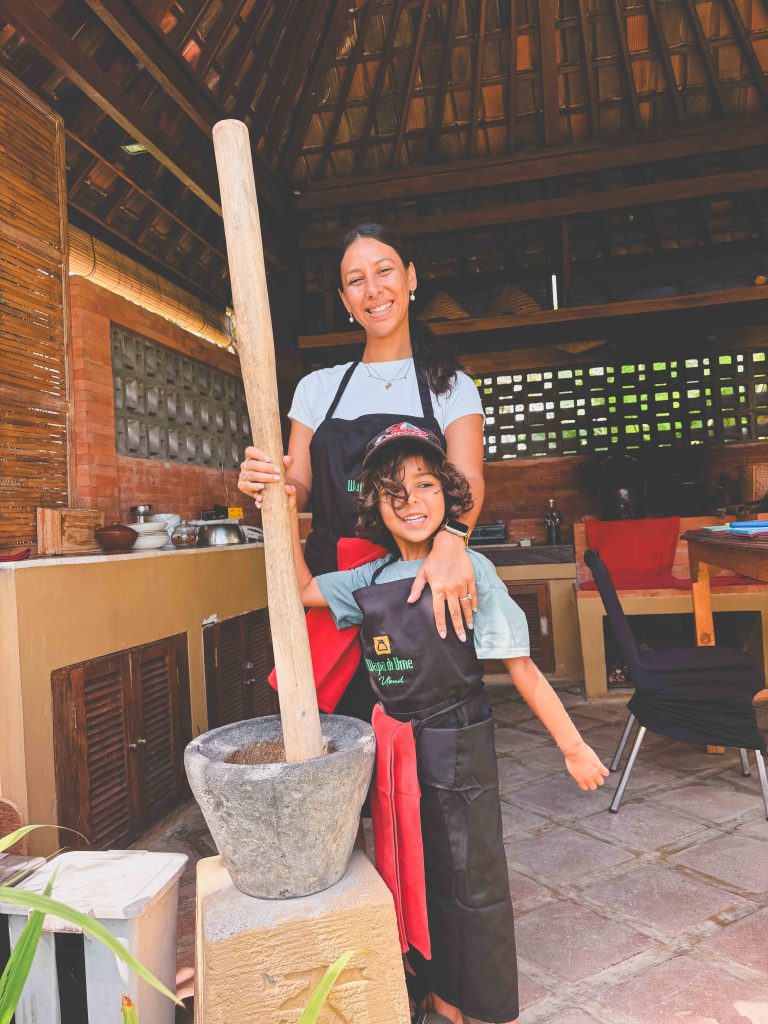
Best Cooking Class – Ubud
🏆 4.9 rating on GetYourGuide.com
Enjoy a mix of cultural immersion with culinary delight during a cooking workshop in Ubud. Explore bustling morning markets, learn from local chefs, and indulge in traditional Balinese dishes.
1. Bubur Ayam – Chicken Congee
Warm, comforting and surprisingly complex, Bubur Ayam is Indonesia’s take on rice porridge (congee) topped with shredded chicken, crackers, fried shallots and a host of condiments. While it may look simple, this dish combines textures and subtle flavours—from the soft rice base to the salty-sweet soy sauce, crispy toppings and optional sambal heat.
Traditionally a breakfast or late-night street food in cities and villages alike, you’ll find vendors calling out “bubur!” in the early hours or serving steaming bowls near train stations. The Indonesian version is richer and heartier than many Asian congees, and often includes local touches like kerupuk (crackers) and cakwe (fried dough sticks) for crunch.
Must-Try Dish Version: Seek it out at a local warung in Bali or Java in the early morning. Add extra sambal if you like heat, or a fried egg.
Perfect For: A comforting start to your day, recovering after travel, or introducing younger kids to Indonesian flavours.
➡️ Read – Best Cafes in Seminyak

2. Ayam Goreng – Indonesia’s Crispy Fried Chicken
Forget fast food fried chicken — Ayam Goreng is the real deal. This Indonesian favourite is marinated with garlic, coriander, turmeric, and lime before being deep-fried to golden perfection. The result? Juicy, flavourful meat with a crunchy, aromatic crust.
Each region adds its own twist — Javanese versions are slightly sweet, while Balinese Ayam Goreng carries more spice and zest. It’s often served with rice, sambal, and fried tempeh for a perfectly balanced meal.
Must-Try Tip: Look for small warungs advertising “Ayam Goreng Kampung” — these use free-range village chickens for extra flavour.
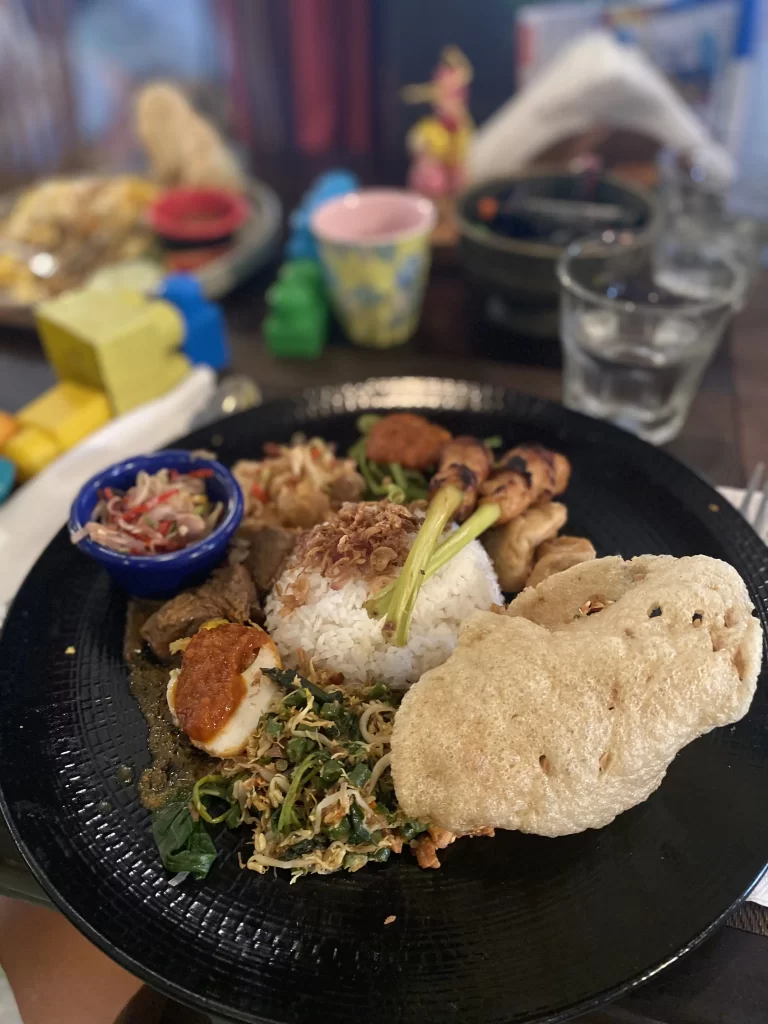
3. Nasi Campur – Rice with Assorted Sides
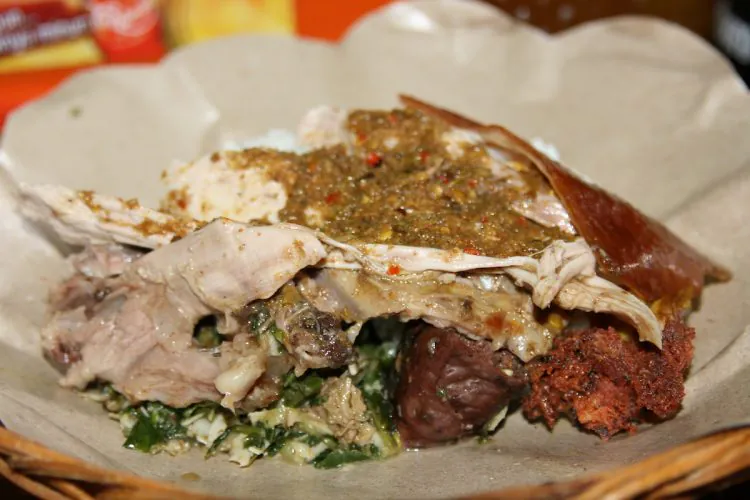
One of the best Indonesian food and my all-time favourite is Nasi Campur, pronounced ‘Nahsee Champoor’! It translates to mixed rice or rice with assorted goodies and usually consists of small portions of vegetables, tempeh, fish or meat and a mound of rice. The dish varies from region to region, but there are always plenty of vegetarian options such as tempeh, tofu, tapioca leaves, jackfruit, veggie fritters and perkedel. During our Indonesian itinerary, we lived off Nasi Campur, as it’s so cheap and delicious!
My favourites: Biku, Peleton Super Shop(Vegan), Warung Yogya
➡️ Read – Best Restaurants in Uluwatu

4. Mie Goreng – Fried Noodles
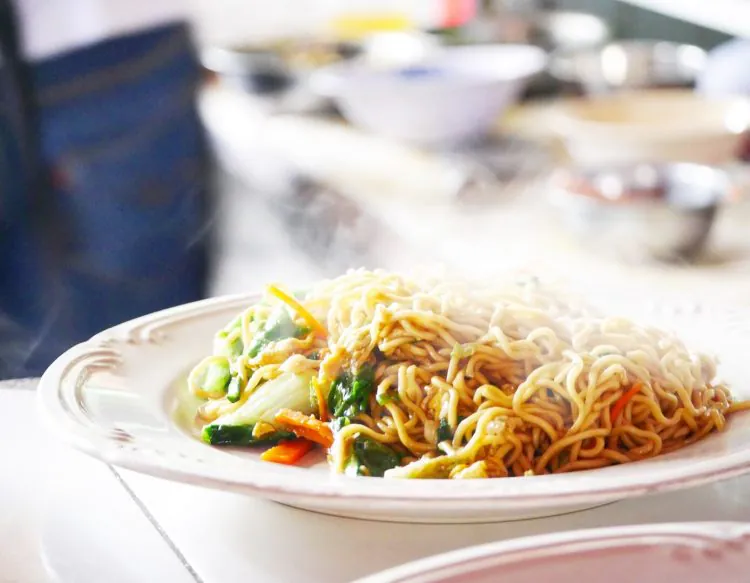
Mie Goreng is one another favourite of mine. Mie Goreng is a fried noodle dish that is eaten all over Indonesia as well as Malaysia, Singapore. The noodle dish is made with dried wheat noodles, although I usually use the instant packet noodle and add my own sauces and veggies.
Both the instant version and homecooked dish were staples in my house growing up. We used to devour ‘mie goreng‘ as afternoon snacks or has a comfort food- nowadays they are the only thing that cures my hangovers ha! What makes this dish is the sauce, a perfect balance of sweet and salt which comes from the Indonesian speciality ‘kecap manis’ a sweet and sticky, molasses-like soy sauce. The dish is then stir-fried with chicken, vegetables, spring onions and egg. I usually make mine with tofu and tempeh though.
5. Gado-Gado – Indonesian Salad with Peanut Sauce
Gado-Gado is another great vegetarian food in Indonesia. The delicious staple food found throughout the islands and will be found in every warung (café) or restaurant on the island of Bali. It is a favourite dish that is popular with locals and tourists alike. Gado-gado is traditionally served as a mixed salad and served at room temperature. In many parts of Bali, you will see it as a deconstructed version with each element separated on a plate.
There will always be a mixture of seasonal vegetables such as potatoes, beans, cabbage, carrots, corn or even lettuce. There will always be prawn crackers, fried tofu, tempeh, and a hard-boiled egg. As a side dish, there will inevitably be some rice. The garnishes can differ but usually will include bean sprouts, fried onions, and extra peanuts. It can be a surprise as you don’t know what someone will be in the mix
The spicy peanut sauce is what brings all the random elements together with gado-gado. It has a distinct flavour due to the addition of tamarind and not the same as a satay sauce.
There is some local variation across Indonesia and between warungs. I even saw the addition of meat or seafood. I become somewhat of a gado-gado connoisseur as the options of vegetarian are limited along the touristy coastal parts of Bali.
To top it off, it is a healthy dish. In short, it is yum and you should try it when in Indonesia!
6. Ikan Bakar – Grilled Fish
If you love to taste fish items, then Ikan Bakar is a must-try for you. It is kind of Indonesian grilled fish and super yummy to have with sambal. This delicious food is also prevalent in Bali, Indonesia. In almost every seaside area, restaurants offer freshly grilled Ikan Bakar. You might like to have it by sitting in a beach café during sunset hour. Ikan Bakar can also be served with Nasi Bali or Balinese white rice.
I tried Ikan Bakar at Blue Marlin Cafe in Jimbaran Beach. I ordered King Fish for dinner. What to say, the taste was mouthwatering. The best part is where you can taste fresh seafood by selecting any raw sea fish. They usually catch different fishes from the sea and instantly prepare them for you. If you’re visiting Lovina Beach, then don’t even miss to have lunch with Ikan Bakar from Tanjung Alam Ikan Bakar Restaurant. Yes, one of the top foods you must try when visiting many places in Indonesia!
➡️ Read – Cafes in Ubud
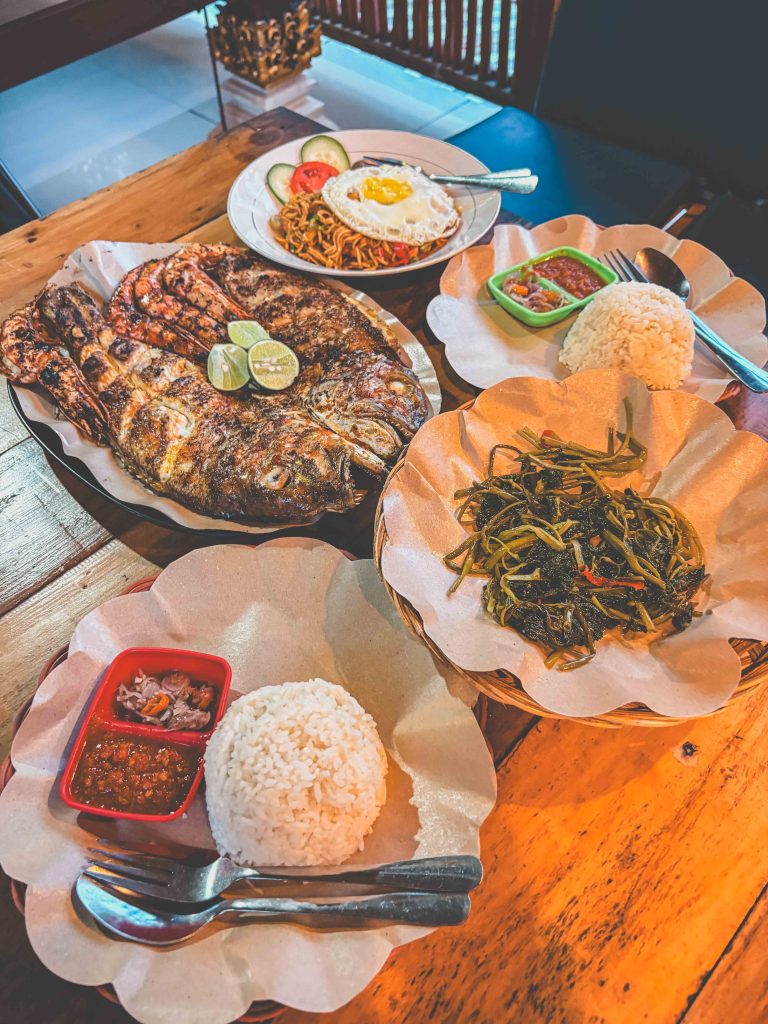
7. Nasi Goreng – Fried Rice
One of the most traditional dishes in all of Indonesia, nasi goreng is Indonesia’s version of fried rice, and it’s a can’t-miss when you visit these beautiful islands. The first thing dish I order when I arrive in Bali is usually a plate of nasi goreng! There are a few things that make Indonesian fried rice special. For one, it is stir-fried in some delicious ingredients you won’t find in other fried rice.
Nasi goreng is usually made with kecap manis, a sweet, thick soy sauce, but also with shallot, garlic, shrimp paste, chili, and sour tamarind paste, which makes it a lot more flavorful than Thai or Chinese fried rice. There are several variations of nasi goreng, depending on what protein you want inside it. I actually prefer a veggie-packed version, although I do love occasionally getting nasi goreng with some stir-fried pork or chicken.
Often, a fried egg is placed on top for even more deliciousness! But my favourite part of nasi goreng is the thick, crispy, airy shrimp crackers called krupuk that are served on the side. Simply delicious!
by Allison from eternalarrival.com

Best Ubud Food Tour
🏆 4.5 rating on GetYourGuide.com
Explore Bali’s vibrant culinary scene with a street food tour featuring 15 iconic dishes like Satay Lilit and Babi Guling. Experience local culture through authentic flavors, market, and sweet treats.
8. Rendang – Dry Slow Cooked Meat Curry
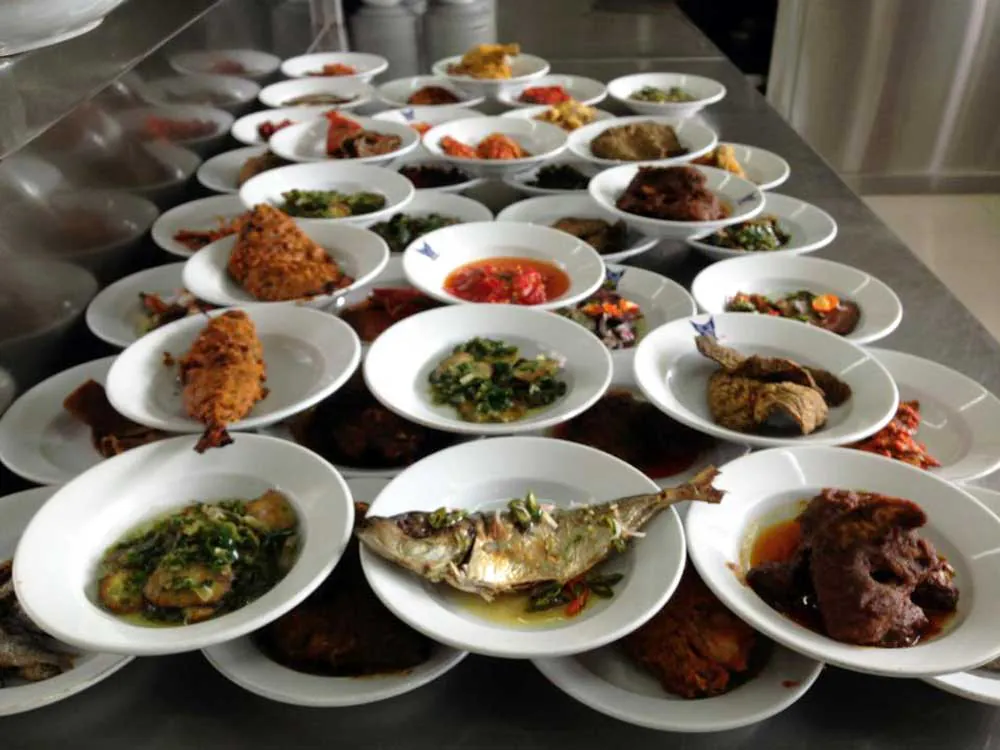
Wherever you go in Indonesia, you see a lot of “Padang Restoran” many of which have pointed roofs – like horns – and stacks of plates with brothy dishes in their storefront windows.
Originating in West Sumatra, Nasi Padang, along with the Padang Restoran, is an Indonesian food obsession. Nasi Padang is a mixture of several different side dishes that includes the world-famous Rendang and lots of delicious sambal, or chili sauce.
While Nasi Padang originated in the Minangkabau culture of West Sumatra using water buffalo meat, the rest of Indonesia adopted the recipe using beef instead. Beef simmers overnight on low heat with heaps of spices and curry sauce. The result is a tenderness and flavour that combines with steamed rice for the perfect meal!
Before you go to Indonesia, learn the basics of Indonesian food – where rice isn’t a side dish – it’s the main dish.
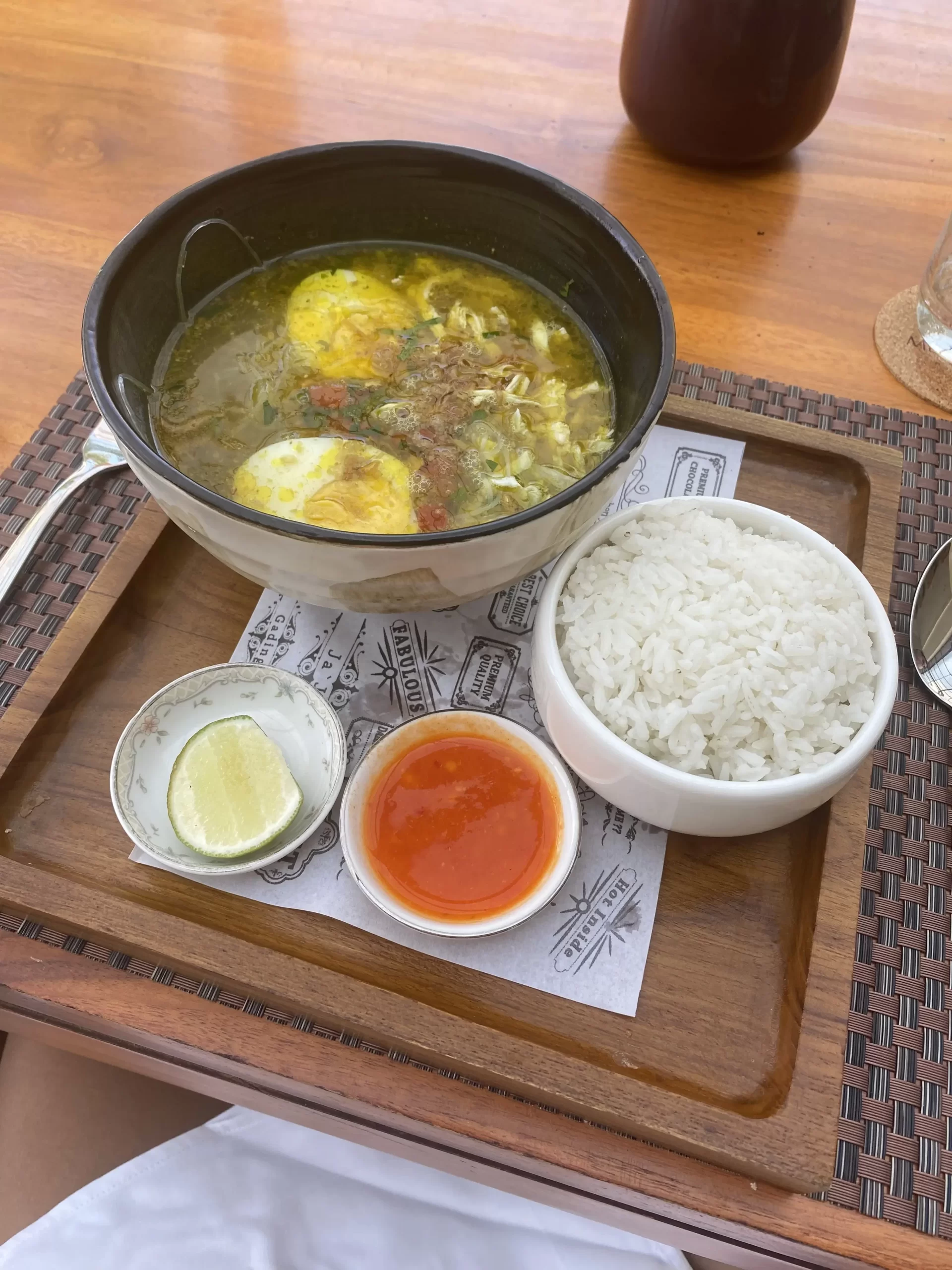
9. Soto Ayam – Chicken Soup
Soto is the name for soup in Indonesian. Many regions of Indonesia have different versions of soto.
Although there are many different recipes for Soto, the main typical ingredients include beef or chicken in a soup that’s made from both coconut milk or broth, simmered with aromatic herbs and spices like galangal, garlic, shallots, kaffir lime leaves, and candlenut. The soup is typically eaten along with rice and can be garnished with a number of side sambal chilli, fried shallots and soy sauce.
I loved Soto Ayam growing up and every time I was in Bali I used to get this dish from a little warung called Warung Yogya that has the most authentic Indonesian cuisine I have found! It is also incredibly cheap! A must try if you want to experience the best Indonesian food!
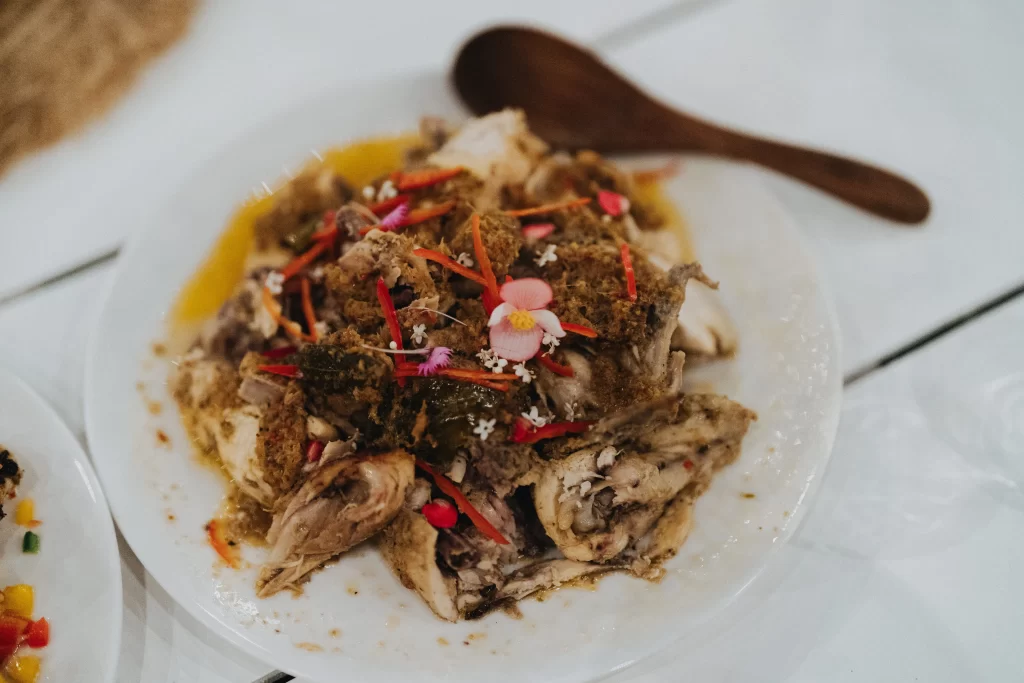
10. Ayam Betutu – Balinese Spiced Slow-Roasted Chicken
If there’s one dish that sums up Balinese cooking for me, it’s Ayam Betutu. Whole chicken — or sometimes duck (Bebek Betutu) — is stuffed with a complex paste of galangal, turmeric, chili, shrimp paste, lemongrass, and kaffir lime leaves, then wrapped in banana leaves and slow-cooked for hours until the meat becomes impossibly tender and deeply, deeply fragrant. The result is one of the most layered, aromatic dishes in all of Indonesian cuisine.
It’s one of our absolute favourite dishes and has been for years across dozens of Bali trips. When we were planning our wedding menu in Uluwatu in 2023, Ayam Betutu was one of the first dishes we chose — it felt like the most fitting way to bring the flavour of Bali to the table on the most special day we’ve had there. Mana Uluwatu catered, and it was exactly as good as we’d hoped.
Since then we’ve continued to seek it out on every trip. On our most recent visit we had it twice — once in Munduk( which is one of the best Bali hidden gems) at a local restaurant tucked into the northern highlands, where the cooler air and the slow-cooked spices felt like the most natural combination in the world, and again in Sanur at Gong Restaurant, where the version was slightly more refined but just as good. Each time it tastes a little different depending on the cook’s spice blend, which is half the joy of ordering it wherever you are in Bali.
Don’t leave Indonesia without trying it at least once. If you see it on a menu, order it.
Best enjoyed at: Gong Restaurant, Sanur — or ask your villa/hotel kitchen, as many prepare it on request 🦆 Also try: Bebek Betutu (the duck version) — richer and even more indulgent
Tip: It typically needs to be ordered in advance (4–6 hours minimum) as the slow-cooking process takes time — check when you make your reservation
➡️ Read – Best Cafes in Canggu
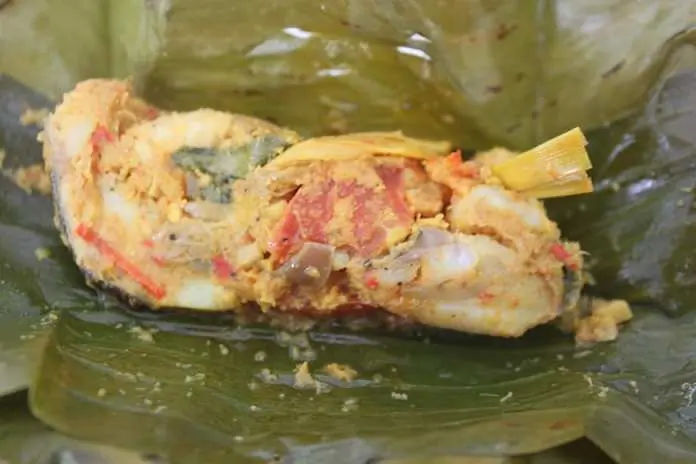
11. Tum Ikan – Minced Fish in Banana Leaf
An extremely popular Indonesian food, Tum Ikan is something you have to try on your trip to Indonesia. Jam packed with amazing flavours, Tum Ikan is essentially a fillet of fresh fish marinated in a variety of spices and then steamed in a banana leave wrap. This unique cooking method causes all the flavours to infuse deeply with the fish for maximum taste!
I personally love this because one of my main let downs with a lot of fish is that the flavour is bland, and the meat can tend to be dry if improperly prepared. However, the banana leaves keep in all the flavours and juices and eliminate these issues. Due to its popularity, you can find Tum Ikan at many restaurants throughout the country to try it for yourself. If you’re more of a hands-on type, you can even find classes that will teach you to prepare your very own Tum Ikan.
12. Megibung – Traditional Balinese Feast
Megibung is a traditional Balinese feast type dining experience. This culinary affair brings people together and strengths social ties amongst village members. Megibung comes from the word Gibung which means an activity done by many people, where they share something with each other.
The festive feast consists of delicious Balinese specialities served on one long bamboo tray. Usually with rice and an assortment of proteins and vegetables individual banana leaf bowls. This experience would be at the top of my list for experiencing the best Indonesian food.
Our picks: The Anvaya Beach Resort Bali, Alila Villas Uluwatu
13. Tempe – Indonesia’s Plant-Based Powerhouse
Indonesia is the birthplace of tempe, a fermented soybean cake that’s rich in protein and probiotics. Unlike tofu, tempe has a firm texture and nutty taste, making it a favourite in both local and modern Indonesian cooking.
You’ll find tempe everywhere — deep-fried as a snack (Tempe Goreng), stir-fried with sweet soy sauce (Tempe Manis), or served with sambal for a spicy edge. It’s versatile, healthy, and incredibly affordable.
Must-Try Dish: Tempe Manis — tempe glazed in kecap manis and chillies, often served with rice.
14. Sate Lilit – Balinese Satay
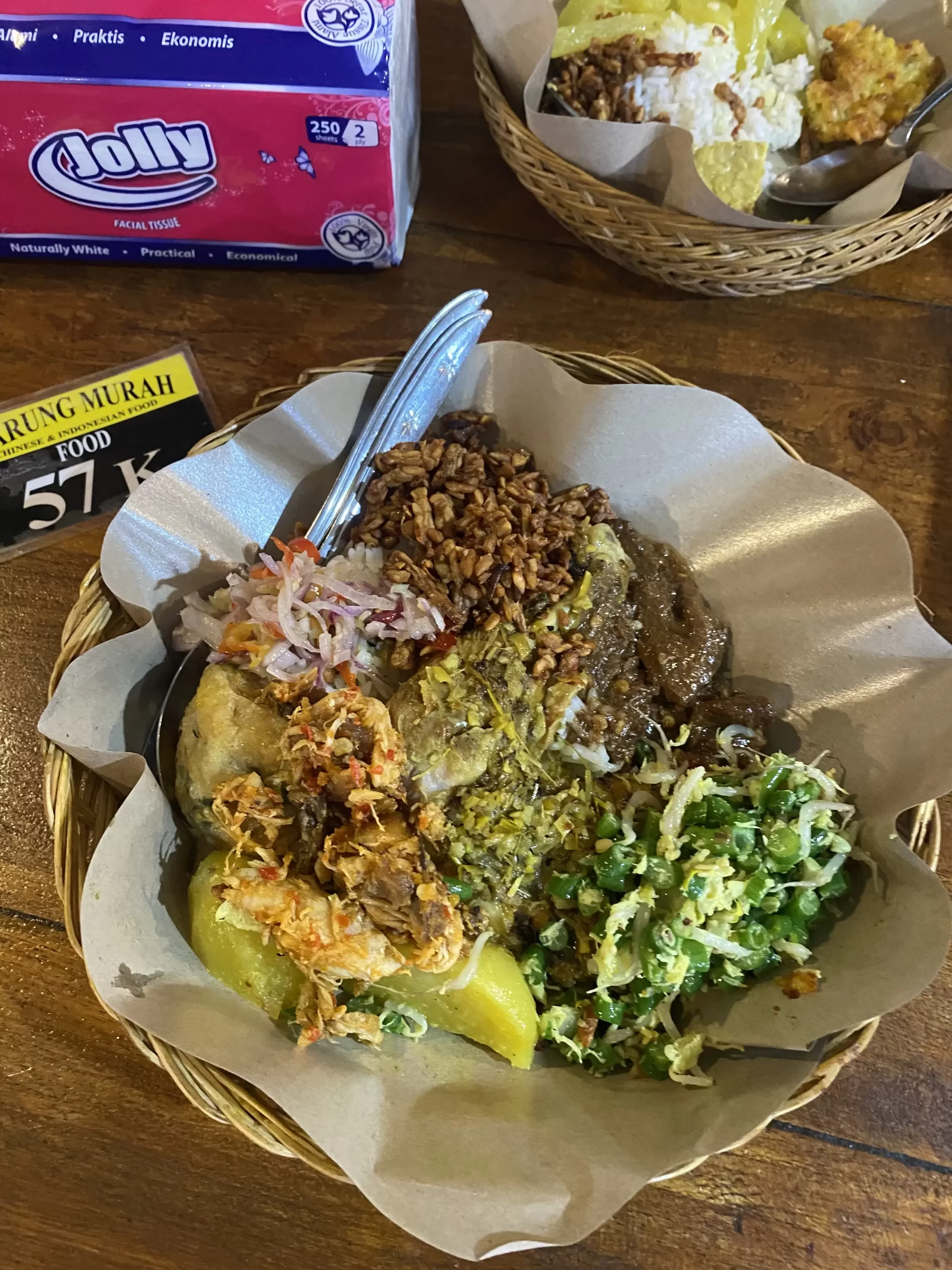
Sate is found widely across Indonesian with many variants including sate ayam, sate padang, sate maranggi, sate karang and many more. One of my favourite sates I have experienced in Bali is Sate Lilit. It involves using mince meat, usually chicken, beef, pork or fish, then mixing it with grated coconut plus a spice mixture. The spice mixture can consist of ingredients like lime leaves, coconut milk, garlic, shallots, galangal, coriander, turmeric, chilli pepper and more.
The mixture is then wrapped around either bamboo or lemongrass sticks. The spiced mince meat is cooked over a charcoal grill while the cook uses a fan to keep the coals hot. The flavours are amazing and you are left wanting more! It is unlike sate ayam and doesn’t have a sauce to accompany it and is usually served with rice. Sate Lilit, in its different versions, is widely available across Indonesia and you can make your own at the Paon Bali cooking class in Ubud, Bali.
By Kate from rollingalongwithkids.com
15. Babi Guling – Balinese Suckling Pig
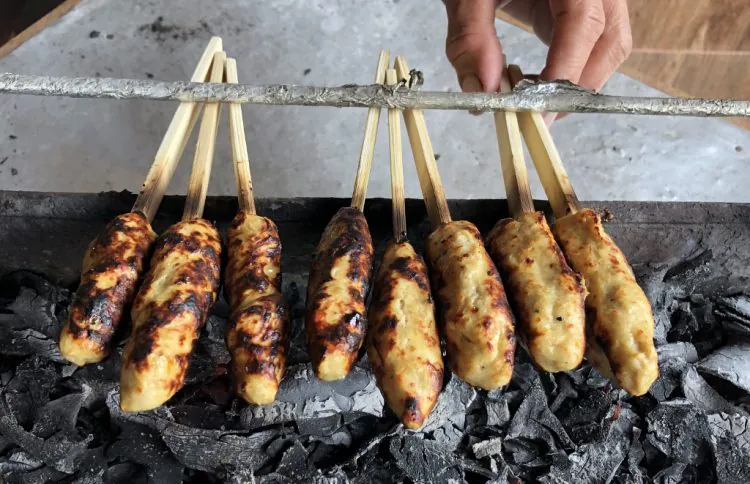
Babi Guling is one of those dishes that goes beyond food — it’s a ceremony, a tradition, and an experience that stays with you long after the meal is over. Rooted in Balinese Hindu culture, whole suckling pig is traditionally prepared for religious ceremonies and communal celebrations, seasoned with a fragrant paste of turmeric, lemongrass, galangal, and chilies before being slowly spit-roasted until the skin turns impossibly crisp.
One of our most vivid early Bali memories is experiencing Babi Guling on one of our first-ever trips to the island — we were young, wide-eyed, and had no idea what we were about to witness. The whole pig arrived at the restaurant of our hotel and was prepared right there in front of us.
What struck me most was the philosophy behind it — nothing goes to waste. Different parts of the pig are used to make entirely different dishes: crispy skin, braised offal, spiced meat pulled from the bone, lawar (a minced meat and vegetable salad with fresh blood and coconut), and fluffy white rice soaked in the cooking juices.
It was our introduction to the depth and intention behind Balinese cooking, and it changed the way we thought about food on every Bali trip that followed.
Babi Guling is most commonly served at dedicated warungs (Ibu Oka in Ubud is perhaps the most famous) or as part of ceremonial feasts. If you get the opportunity to experience a full ceremonial preparation, take it without hesitation. It is, without question, one of the most special food experiences Bali has to offer.
Best enjoyed at: Ibu Oka, Ubud — the most famous Babi Guling warung in Bali
Note: This is a pork dish — not halal
Tip: Go early — the best cuts sell out by midday at most warungs
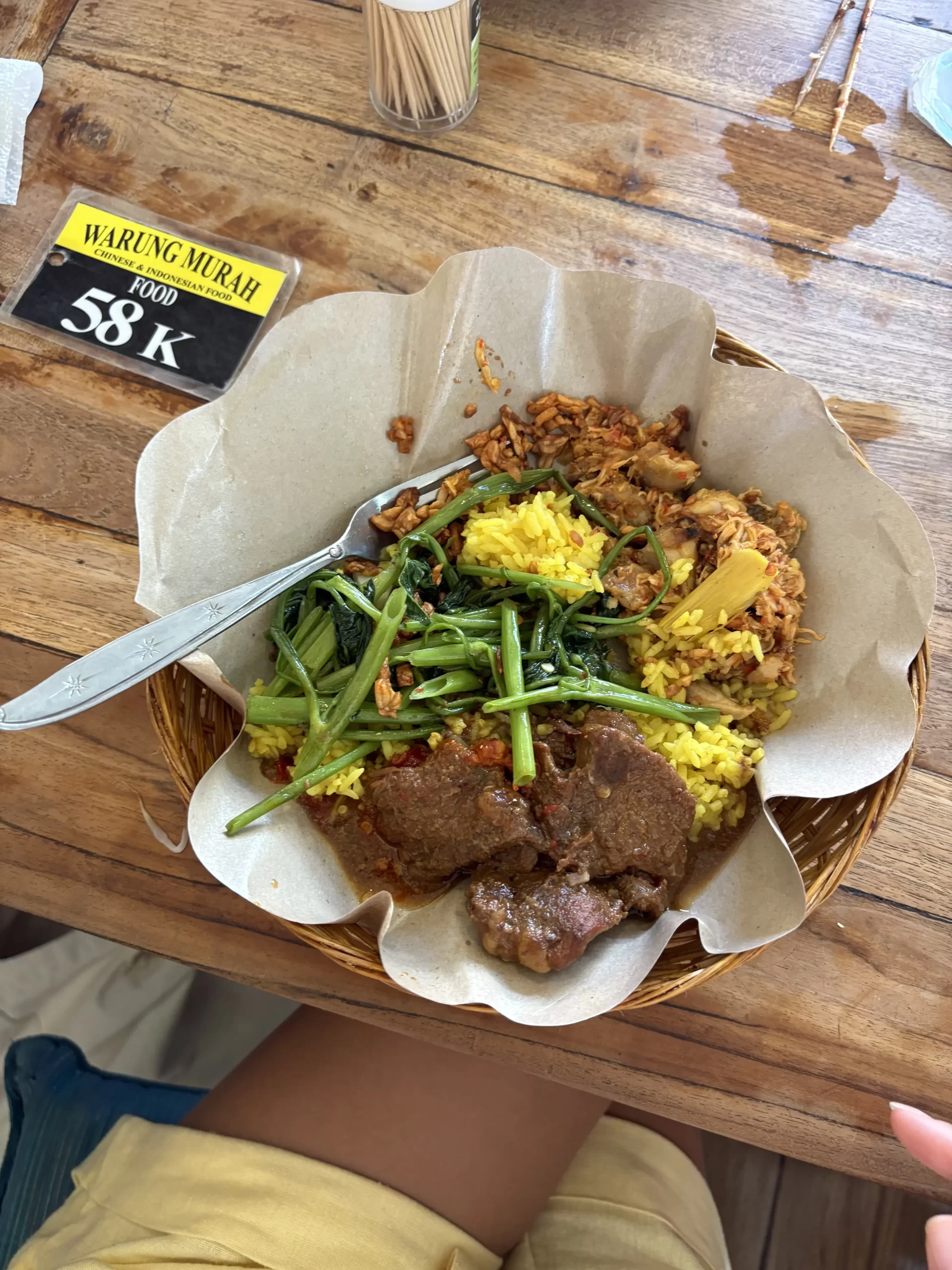
16. Kangkung Belacan – Sautéed Water Spinach with Spice
Kangkung Belacan is a humble yet beloved vegetable dish that perfectly complements Indonesian mains. Water spinach (kangkung) is stir-fried quickly with garlic, shallots, and belacan (fermented shrimp paste), creating a savoury, umami-rich side dish that’s full of depth and spice.
This dish highlights Indonesia’s mastery of transforming simple ingredients into something truly special. The balance of salt, spice, and freshness pairs perfectly with rice, sambal, and grilled meats.
Must-Try Tip: Order Kangkung Belacan as a side with Ayam Bakar or grilled seafood.
17. Kerupuk Udang – Prawn Crackers
Kerupuk Udang — or prawn crackers — are one of the most iconic snacks in Indonesian cuisine, and you’ll find them everywhere from local warungs to fancy restaurants. Light, crispy, and irresistibly savoury, these crackers are made using a blend of prawns, tapioca flour and seasonings that are sun-dried and then deep-fried to puff up into that signature airy crunch.
You’ll often see them served alongside classics like nasi goreng, soto ayam, mie goreng and gado-gado, but honestly… they’re delicious on their own as an afternoon snack, too. Kids especially love them (Kylo approves!), and they’re a fun, budget-friendly treat to try while travelling through Bali.
If you want to take a little taste of Indonesia home, you can even buy packs of uncooked kerupuk in supermarkets — just fry them at home and relive your Bali holiday one crunchy bite at a time.
18. Es Pisang Ijo – Banana Iced Dessert
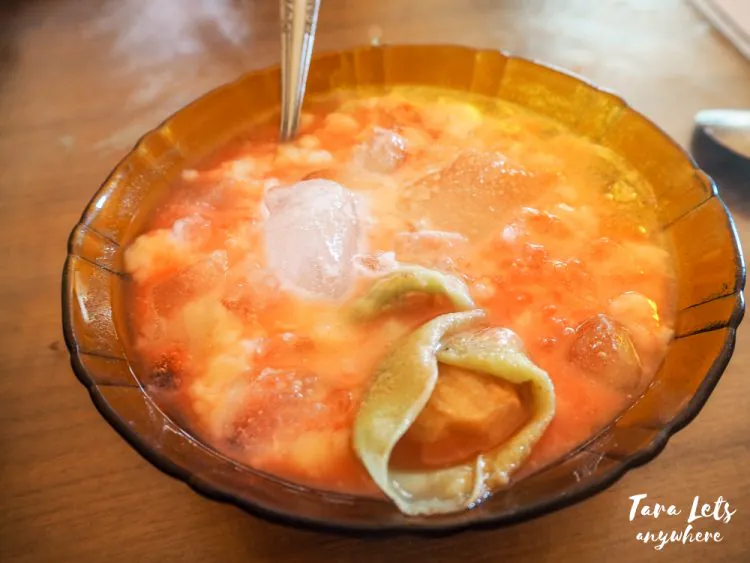
Es Pisang Ijo (green banana iced dessert) is a popular dessert in Indonesia. It is originally from Makassar in Sulawesi. Today, you can find it in local eateries and roadside stalls in various cities in the country as well.
Es pisang ijo is delicious, light and refreshing. Basically, it is made from banana served in a special sauce. King banana is often used. The bananas are steamed and wrapped in a flour dough, which is dyed green from pandan leaves for extra fragrance. The bananas are then sliced. Meanwhile, the sauce is made up of crushed ice, coconut milk and pink rose syrup which locals refer to as ambon. The result is a colourful unique dessert.
I first tasted es pisang pijo in a local eatery in Southeast Sulawesi and it has since then become one of my favourite Indonesian foods. It’s a perfect way to cool off tropical afternoons in the country.
19. Pisang Goreng with Sambal – Fried Banana with Chilli
Pisang Goreng is a popular snack food and translates to fried banana. A banana or plantain is covered in batter and deep fried in hot oil. It is then served with a sambal, you can find Pisang Goreng at many street food carts and local warungs. In West Kalimantan, it is served with bread and a custard sauce and is offer eaten at breakfast.
I first tasted Pisang Goreng on my press trip to Sulawesi and it has since then become one of my favourite Indonesian foods! I love the pairing of sweet with spicy and the added crunch makes for a perfect snack!

20. Martabak- Indonesian Stuffed Pancake
Kylo and I made Martabak on our most recent trip to Bali during a cooking class at Wapa di Ume in Ubud, and it’s one of those experiences I keep coming back to when people ask me how to really understand Indonesian food.
Chef Ayu and Chef Lasmini guided us through the whole process — the batter gets its beautiful green colour from fresh pandan leaves, and we stuffed ours with coconut and palm sugar, which is the traditional Balinese way. The chefs had noticed Kylo loved strawberries so they made his version with strawberries and banana and finished it with a palm sugar syrup. He was completely delighted. So was I.
Martabak Manis (the sweet version we made) is thick, spongy, and molten in the middle — nothing like a Western pancake. The pandan gives it a floral, grassy fragrance that you simply can’t get from any other ingredient, and the coconut and palm sugar filling is warm, sticky, and deeply comforting. There’s also a savoury version — Martabak Telur — which is a thin, flaky pastry filled with egg, minced meat, and spring onions, fried until golden and served with a light vinegar dipping sauce. The contrast between the two is one of those beautiful Indonesian food paradoxes — same name, completely different experience, both worth trying.
Street vendors set up their Martabak carts in the late afternoon and evening across Bali — look for the large flat griddles and the cloud of sweet, caramelised steam. But if you really want to understand what goes into one, a cooking class is the best thing you can do. Wapa di Ume’s class in Ubud is one we’d return to in a heartbeat.
Best enjoyed at: Made yourself at a cooking class — or from a street cart in Seminyak or Legian after dark Price: IDR 25,000–80,000 from a street vendor
Tip: Ask for pandan batter if you get the chance — the green colour and fragrance is the traditional Balinese version and far more special than plain batter
21. Sambal – Indonesia’s Fiery Sauce
No Indonesian meal is complete without sambal — the iconic chilli paste that defines the nation’s fiery flavour profile. Each region has its own version, but at its heart, sambal is a blend of fresh or fried chillies, garlic, shallots, lime, tomato, shrimp paste (terasi), and sometimes palm sugar. There are hundreds of variations across the archipelago, ranging from mild and tangy to tongue-tinglingly hot.
You’ll find sambal served alongside everything — from rice and noodles to grilled meats, tempeh, and vegetables. It’s not just a condiment but a ritual; locals often say a meal isn’t complete without sambal. Whether you’re in Bali or Java, take time to sample a few kinds to appreciate Indonesia’s regional diversity through its spice.
Must-Try Tip: Pair sambal with grilled chicken or fried tempeh for an authentic kick.
22. Sambal Matah – The Balinese Classic
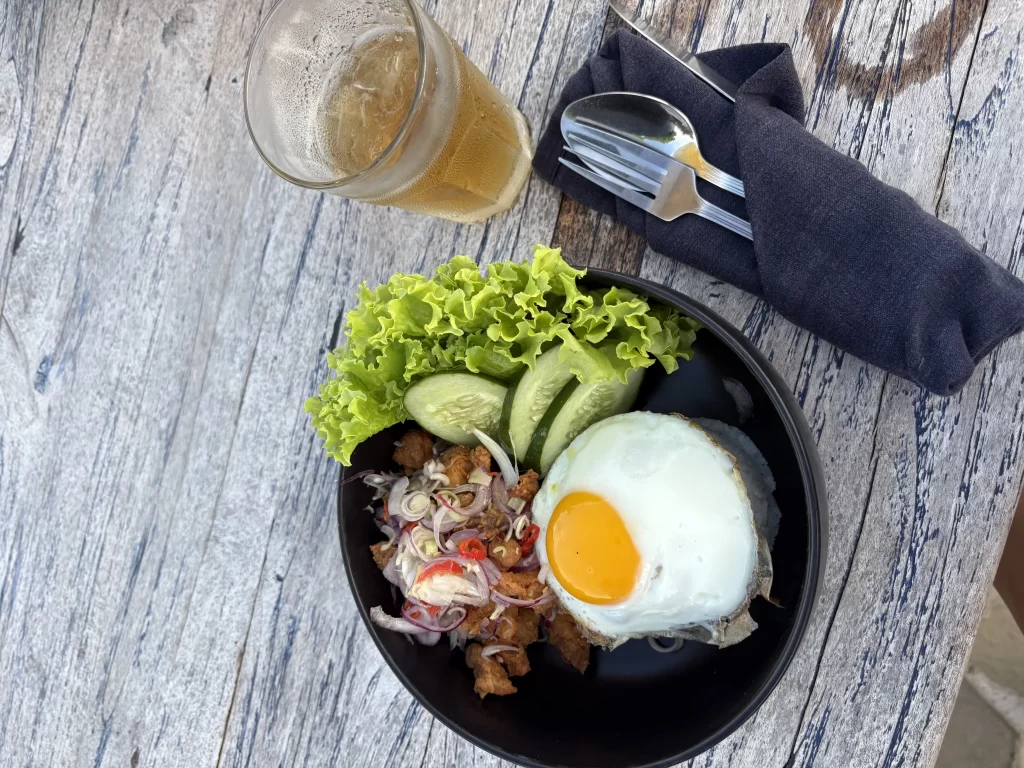
Sambal Matah is Bali’s signature raw sambal — fresh, zesty, and bursting with citrusy aroma. Made with shallots, lemongrass, bird’s eye chillies, kaffir lime leaves, and coconut oil, this sambal is never cooked, preserving the brightness of its ingredients.
Typically served with grilled fish, Ayam Betutu, or even over crispy tempeh, sambal matah offers a refreshing heat that’s uniquely Balinese. It perfectly balances spice, tang, and fragrance — an instant burst of island flavour.
Must-Try Tip: Order it as a side with any local seafood or traditional Balinese dish.
23. Indonesian Tropical Fruits to Try
Indonesia’s tropical climate produces a dazzling array of fruits — many of which visitors rarely encounter at home. From sweet and custardy to tangy and crisp, sampling tropical fruit is one of the most rewarding things to do in Bali for families or food-lovers alike.
Tip: Visit a local fruit stall, ask to sample before you buy, and try them fresh with one or two other exotic varieties.
Here’s some you shouldn’t miss:
Salak (Snake Fruit): With its scaly reddish-brown exterior and crisp flesh, Salak tastes like a mix of pineapple, pear and apple, with a sweet-tart finish. Common in Bali, Lombok and other islands.
Mangosteen: Elegant segments of white flesh inside a thick purple rind, mangosteen delivers a luxurious sweet-floral flavour, often described as a mix of lychee and peach. In season October-March in many parts of Indonesia.
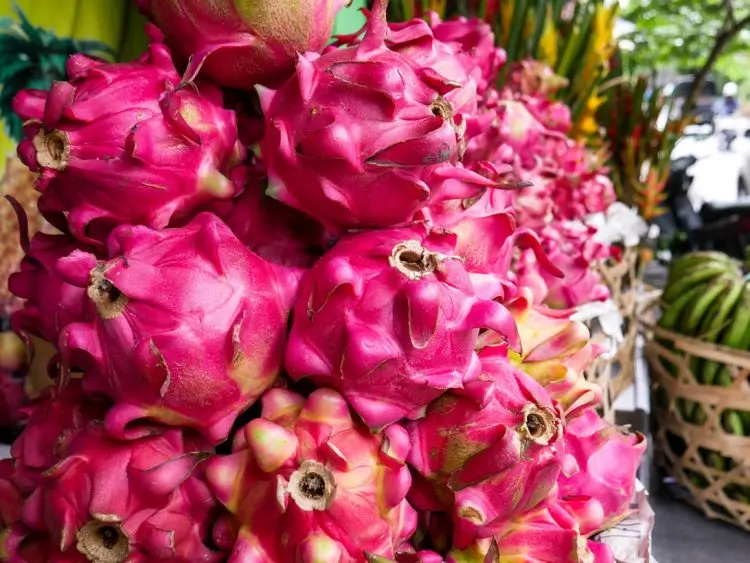
Dragonfruit: Bright pink outside, very subtle flavour inside
Rambutan: Similar to a lychee
24. Jamu — Indonesia’s Ancient Wellness Drink
Before there were smoothie bars and wellness cafes, there was jamu. Indonesia’s traditional herbal drink has been brewed in homes and sold from baskets by wandering vendors for centuries — a living piece of the country’s culture that predates tourism entirely and has somehow survived everything that’s come since.
Jamu is made from fresh roots, spices, and botanicals — most commonly turmeric, ginger, galangal, tamarind, and lemongrass — ground and pressed into a concentrated liquid that tastes earthy, warming, slightly bitter, and entirely unlike anything you’ll find in a Western wellness drink. The colour ranges from a vivid golden yellow (turmeric-forward) to a deep amber depending on the blend. It can be served warm or cold, sweetened with palm sugar or honey, and often finished with a squeeze of lime.
We’ve been offered jamu as a welcome drink at several of the better Bali resorts and as part of buffet breakfast spreads across our 30+ trips. There’s something genuinely lovely about being handed a small glass of golden turmeric jamu on arrival — it sets a completely different tone to a glass of iced water. Wapa di Ume does a particularly good one. Munduk Moding Plantation served us warm ginger jamu on a cool highland evening and it was the perfect arrival drink.
Beyond the welcome drink, jamu is genuinely useful when you’re not feeling well. If Bali belly strikes — and across 30+ trips it has struck — a turmeric and ginger jamu from a local warung or pharmacy is the local remedy. Whether it’s the ginger settling the stomach or the turmeric doing its anti-inflammatory work or simply the act of drinking something warm and intentional, it helps. We’ve used it on multiple trips and it’s now part of the travel kit.

You’ll find jamu everywhere in Bali if you look for it — at traditional markets, sold by wandering ibu vendors from baskets or motorcycles early in the morning, at health-focused cafes like Alchemy in Ubud, and increasingly on the menus of better resorts and restaurants. Ordering jamu is a small but meaningful way to connect with Indonesian food culture beyond what’s on the menu.
Common jamu varieties to try:
- Jamu Kunyit Asam — turmeric and tamarind, the most common, slightly sour and warming. Good for digestion.
- Jamu Jahe — fresh ginger, warming and spicy. Our go-to when someone in the family is feeling under the weather.
- Jamu Beras Kencur — rice and aromatic ginger root, slightly sweet, more mellow than the others. The most approachable for first-timers.
- Jamu Temulawak — Java turmeric, more bitter than regular turmeric, traditionally used for liver health and immunity.
For more traditional Indonesian drinks worth trying — from es teler to wedang ronde and bandrek — see our full Traditional Indonesian Drinks guide.
Now you know about the best Indonesian Food to try on your next visit! What is your favourite cuisine? Comment below!
Found this pin helpful? Be sure to pin and share!