Safety + Travel Tips for Bali: A Guide for First-Time Visitors
Last Updated:
Kayla Manoe
Kayla is the founder and travel enthusiast behind Kelana by Kayla. She loves flowers, fire works, mexican food, watching reality TV and of course travelling! She spent her 20's solo travelling the world. She is now a mum of two and loves exploring Australia and Bali with her family.
Table of Contents
This post may contain affiliate links. I will receive a small commission if you purchase through them, at no extra cost to you. For more information, please see our Privacy Policy.
Bali isn’t just another tropical island—it’s a destination that keeps pulling you back, no matter how many times you visit. After 30+ trips, travelling with babies, toddlers, as a couple, solo, and even getting married in Uluwatu, we’ve learnt exactly what makes this island so magical… and what can catch travellers off guard. From lush jungle hideaways and world-class beach clubs to rice terraces, waterfalls, and warm Indonesian hospitality, Bali offers something for every kind of traveller.
But with paradise comes a few things you need to know to keep your trip running smoothly. Whether it’s avoiding common scams, staying healthy, navigating Bali traffic, protecting your belongings, or knowing what to do in an emergency, having the right information can make all the difference. That’s why we’ve put together our most practical, tried-and-tested travel tips for Bali – the exact advice we use when planning our own trips with our kids.
These travel tips for Bali will help you feel confident, prepared, and ready to enjoy the island to the fullest. From choosing safe transport, understanding weather patterns, and protecting yourself against Bali Belly or mozzies, this guide covers everything you need before you go. Let’s get you Bali-ready.
Secure travel insurance with medical cover
The first thing you’ll want to do when preparing for a Bali holiday is to simply secure Bali travel insurance. This is travel insurance cover that’s tailored to accommodate all the most common risk factors of a Bali holiday. And yes, that includes Bali Belly, but also risks of physical injuries from scooter or surf accidents, and other dilemmas like lost or stolen luggage.
It’s also highly recommended you read up on the health and medical coverage included in your travel insurance policies before you finalise any particular Bali policy with a selected insurance provider. Be sure to compare things like premiums and excesses, plus extras and inclusions across all of your shortlisted policies so you can get the best deal on the most suitable coverage.
Weather in Bali & Staying Safe in the Heat
Bali has a tropical climate, which means warm weather year-round—but it also means humidity, intense sun, and sudden downpours depending on the season. The dry season (May to September) brings sunshine, blue skies, and ideal beach weather, while the wet season (October to April) can bring heavy tropical rain, slippery roads, and unpredictable storms. No matter when you visit, sunscreen is absolutely essential. Bali’s UV index is extremely high, and sunburn or heat exhaustion can hit quickly—especially for kids. Drink plenty of water, rest in the shade during peak heat, and always carry electrolytes to avoid dehydration.
Mosquito protection is also a must. Dengue fever—spread through mosquitoes—is present in Bali, and while most cases are mild, it can still cause fever, fatigue, joint pain, and other flu-like symptoms. Using repellent during the day and night, especially in jungle and garden areas, is one of the simplest ways to stay safe.
Use sunscreen and bug repellents
Even though you have travel insurance, you’ll still want to avoid ending up in the hospital or even at a GP clinic during your time in Bali. Staying sun-safe in Bali is absolutely essential — the tropical UV levels are intense year-round, and even on cloudy days you can burn quickly. A good reef-safe sunscreen isn’t just about avoiding sunburn; it helps protect you from heat exhaustion and dehydration, which are common for travellers who spend long days at the beach or exploring outdoors.
You’ll also want to pack a reliable mosquito repellent, as Bali is a tropical island where mosquitoes thrive. This is especially important to help avoid dengue fever — a mosquito-borne illness that can cause high fever, joint pain, and fatigue. A few simple precautions go a long way in keeping your Bali trip safe, comfortable, and stress-free.
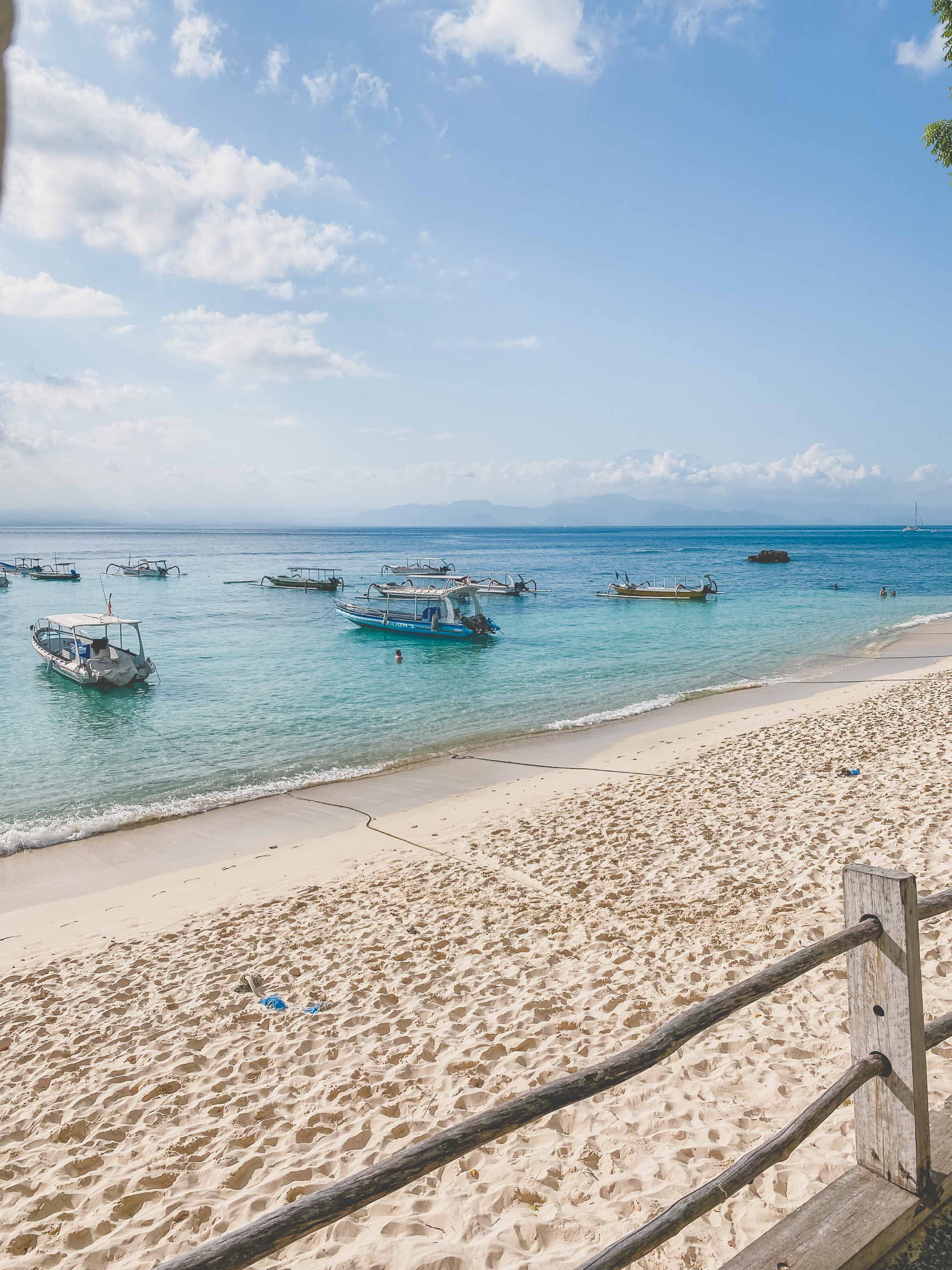
Only swim at patrolled beaches
Lounging on the beach is hands down one of the best ways to spend your time in Bali. But if you are planning on going for a swim at some of the best beaches in Uluwatu and surrounding regions, then you’ll need to make sure you’re staying safe on the coastline.
For starters, this means only swimming at patrolled beaches and during daylight hours. A lot of Bali’s most popular beaches are known to have their own strong and frequent rip currents, which can be particularly dangerous for inexperienced swimmers and surfers. This is why it’s essential to follow directions provided by lifeguards and other local authorities when visiting beaches across not only Uluwatu, but further along the southwest coast and across Kuta, Legian, Seminyak, and Canggu.
Beach visitors in Bali are also advised to refrain from consuming alcohol on the shore, as this can impede your ability to act safely around the water.
Drink only bottled water
Staying hydrated in Bali is essential, especially with the heat and humidity — unfortunately, the tap water in Bali isn’t safe for tourist consumption. We just don’t have the gut biome to support some of the microorganisms naturally found in the region’s water infrastructure. The good news is that clean drinking water is easy and cheap to find.
You can pick up large bottles of filtered water at any supermarket or mini-mart for just a few dollars, and most villas and hotels also provide big refill dispensers. Instead of buying multiple small plastic bottles each day, bring a reusable water bottle and simply top it up from your villa’s dispenser or a larger store-bought bottle. It’s cheaper, easier, and far more eco-friendly — helping reduce waste and keep Bali the beautiful island we all love.
Maintain caution when eating out
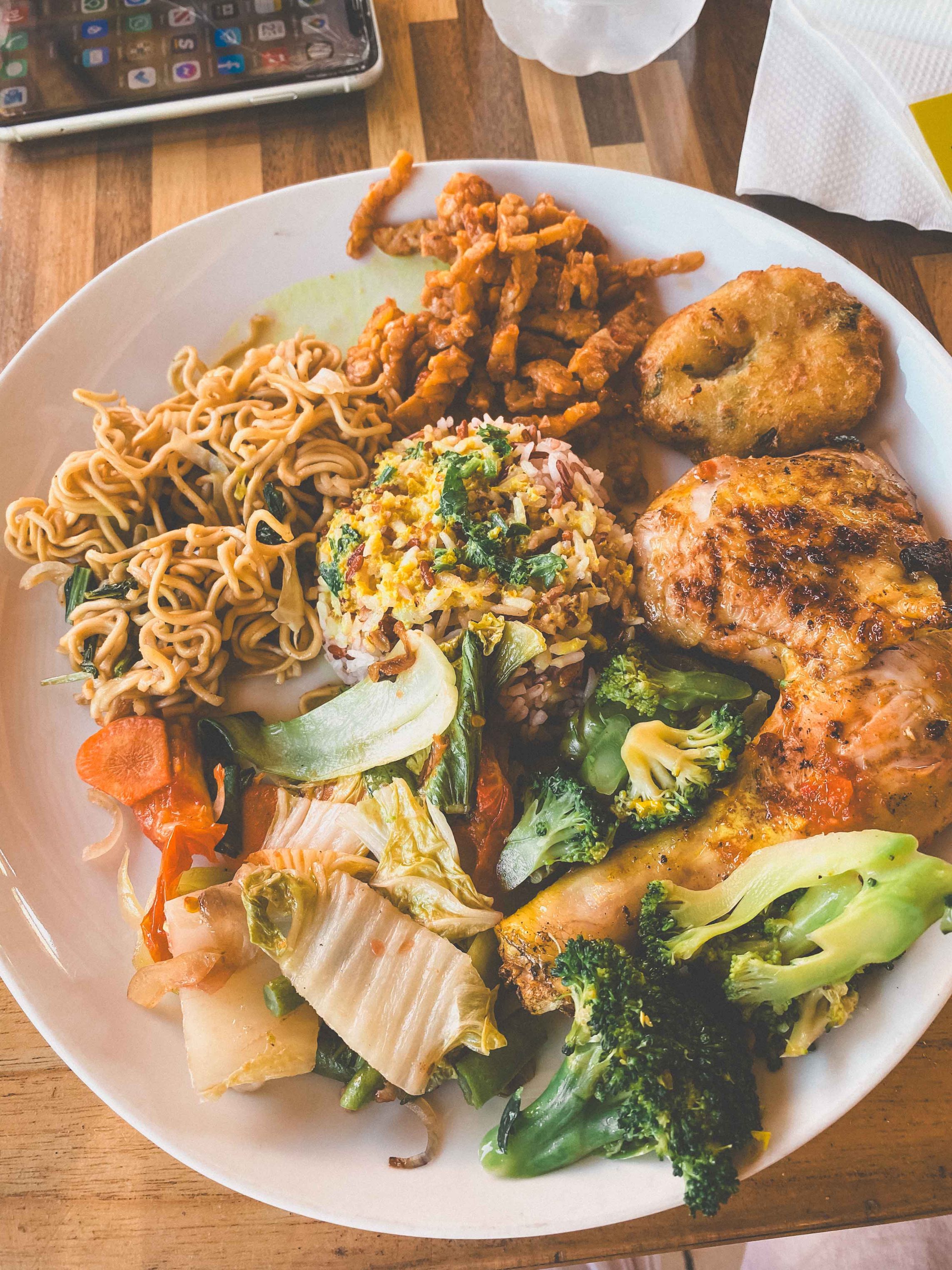
Alongside drinking only from secured water bottles, you’ll also want to maintain basic hygiene practices like washing your hands before you eat, and only eating from licensed eateries, if possible. Indonesian street food can definitely be amazing, but there are also very real risks of food poisoning (Bali Belly) if you eat with the wrong vendor.
We get that the perfect Bali itinerary does involve great food and restaurant experiences – and that includes sampling street food. So just to stay on the safer side, why not do a little research beforehand and prepare a list of what Indonesian foods you’d like to try during your stay? From here, you can do some quick searches on Google and TripAdvisor to find all the top-rated local restaurants and eateries that offer those dishes. That way, you can enjoy all the tastes of Bali with reduced risks of Bali Belly!
Pack practically and securely
One of the most comedically tragic things that can happen to you on a Bali getaway is being robbed by a monkey. It sounds ridiculous, but it actually happens all the time. These wily little creatures flock to tourist hotspots to try and wheedle food and other goodies from unsuspecting victims.
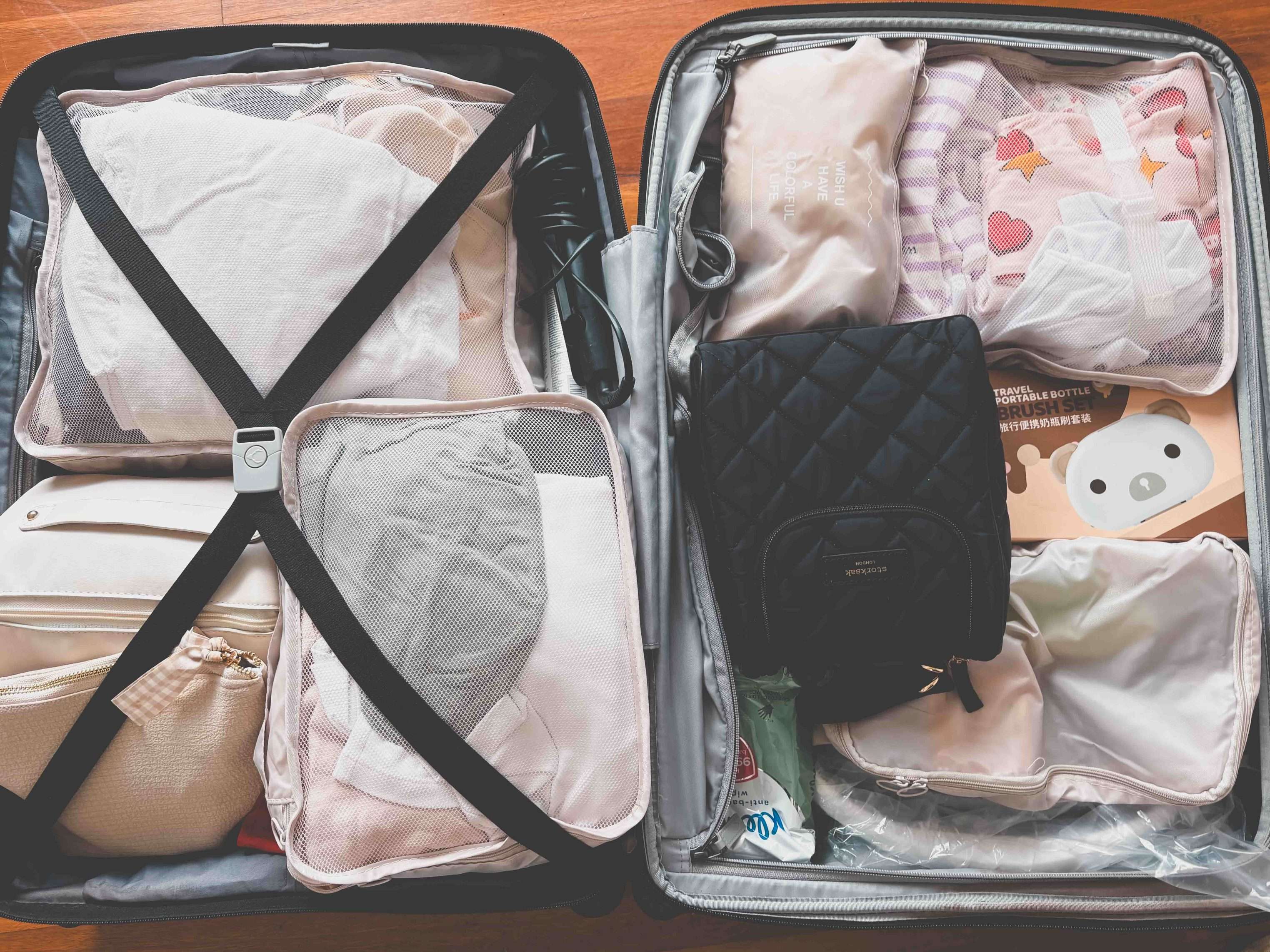
The best way you can protect yourself from falling victim to monkey antics is to keep your valuables on you at all times, and make sure all important documents are securely stored in a crossbody bag with a firm clasp. Similarly, try to keep a firm grip on devices like phones or cameras, as you don’t want a monkey to run up a tree with these items only to drop them from on high.
Alongside monkey theft, there has been some pickpocketing and other small crimes across Bali that tourists are advised to be wary of. Acting respectfully and modestly can naturally help you avoid being targeted by any malicious parties.
Avoid travelling alone
Finally, while Bali is relatively safe for solo travellers, visiting local areas during evening hours can still leave you vulnerable, particularly on weekend evenings. So if you are planning to hit up the beach clubs and dance the night away, make sure you’re doing so with a few buddies or gal pals in tow.
By keeping an eye out for each other, you can make sure you all get to enjoy some fun nights out across the island.
Choosing Safe Transport in Bali
Transport in Bali is part of the adventure, but choosing it wisely matters for your and your family’s safety – especially when travelling to Bali with a baby. The easiest and most reliable way to get around is by hiring a private driver—affordable, comfortable, and ideal for families or anyone wanting stress-free travel between activities. We have the same driver we use every trip, as he can provide a car seat and booster seat for our kids. You can also use local apps like Gojek or Grab for quick scooter or car rides, but always check that your driver provides a helmet if you’re travelling by motorbike.
If you’re confident on scooters and plan to hire one, ensure you have an international driving permit that covers motorcycles—it’s legally required and also ensures your travel insurance remains valid. Stick to main roads, avoid riding in the rain, and drive slowly—traffic in Bali can be chaotic even for experienced riders. For longer journeys or airport transfers, pre-booked drivers are always the safest and smoothest option.
Experiencing Bali naturally means saying ‘yes’ to some adrenaline-pumping activities, whether it be swinging on the edge of the world, surfing the gnarliest waves, or dancing the night away in Uluwatu. No matter where you find yourself on the island, however, or how you’re planning to spend your time, keeping these safe travel tips in mind can help ensure your Bali getaway only delivers good vibes.