Most city travel guides will tell you about its restaurants. The best ones, the most atmospheric ones, the ones that have been photographed enough times that the dish arrives with a particular expectation attached. This is useful information, but it is a fairly narrow way to understand how a place feeds itself. The market is a different proposition. Not the covered gourmet food hall built for tourists, but the working municipal market where local people buy what they are actually going to cook this week. That version of a city’s food culture is harder to find in a guidebook and considerably more revealing.
What a Market Tells You That a Restaurant Does Not
A restaurant is a curated presentation of a food culture, edited for an audience and shaped by what will sell. A market is what people buy when they are cooking for themselves, which is a more honest signal of how a place actually eats. The produce selection is the clearest indicator.
What is at peak season, what is local versus imported, what formats are available – whether vegetables are sold whole and loose or pre-prepped and packaged – all of this reflects the cooking culture of the place in ways a menu cannot.
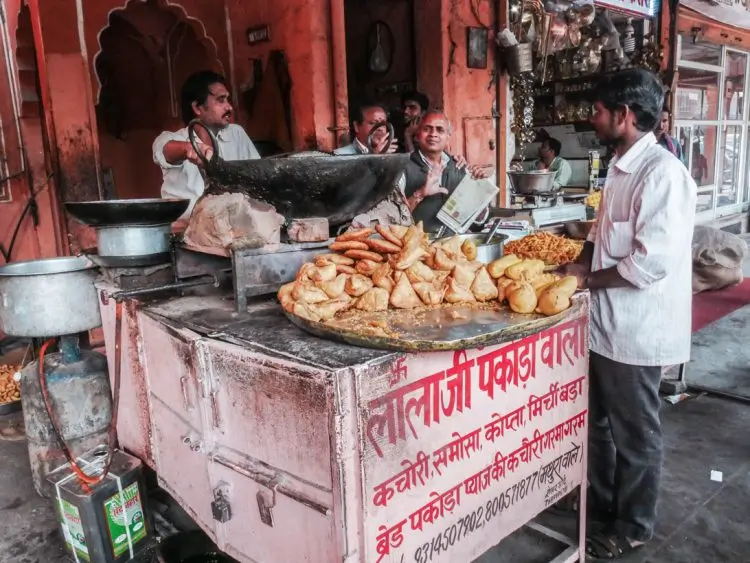
Take the United States, for instance. In many cities here, the fresh-cut produce market is highly developed, with suppliers such as Taylor Farms offering chopped onion and cilantro kits that reflect a cooking culture built around speed and convenience.
In a Maltese market in Valletta, the same onions are sold loose by the kilo, bought by home cooks who will use them across multiple dishes throughout the week. Neither is a lesser food culture – they are different ones, and the market makes that visible immediately.
The Questions Worth Asking at a Market Stall
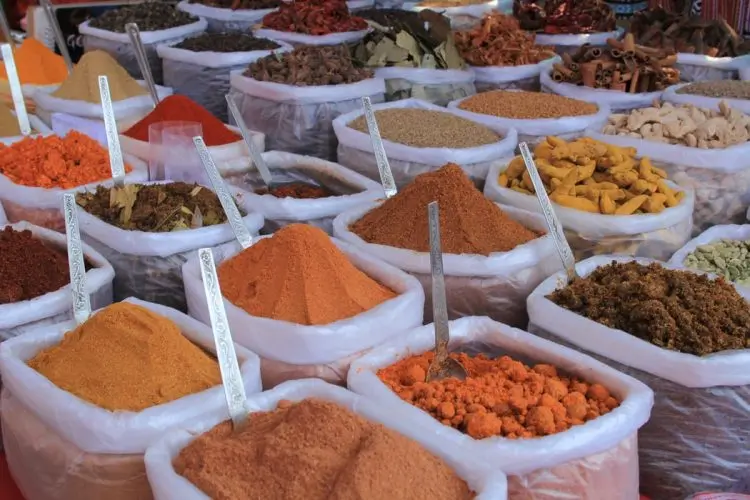
One of the better travel habits is treating market vendors as a source of practical local knowledge rather than just a point of purchase. The question “what is good this week?” produces more useful information than anything in a printed guide – it is seasonal, specific, and honest in a way that most tourism content is not.
In places where a language barrier makes conversation difficult, watching what local shoppers are choosing is an equivalent signal. A stall with a queue of local people buying a particular ingredient is a more reliable indicator of quality than any star rating.
Food Markets as a Record of Place
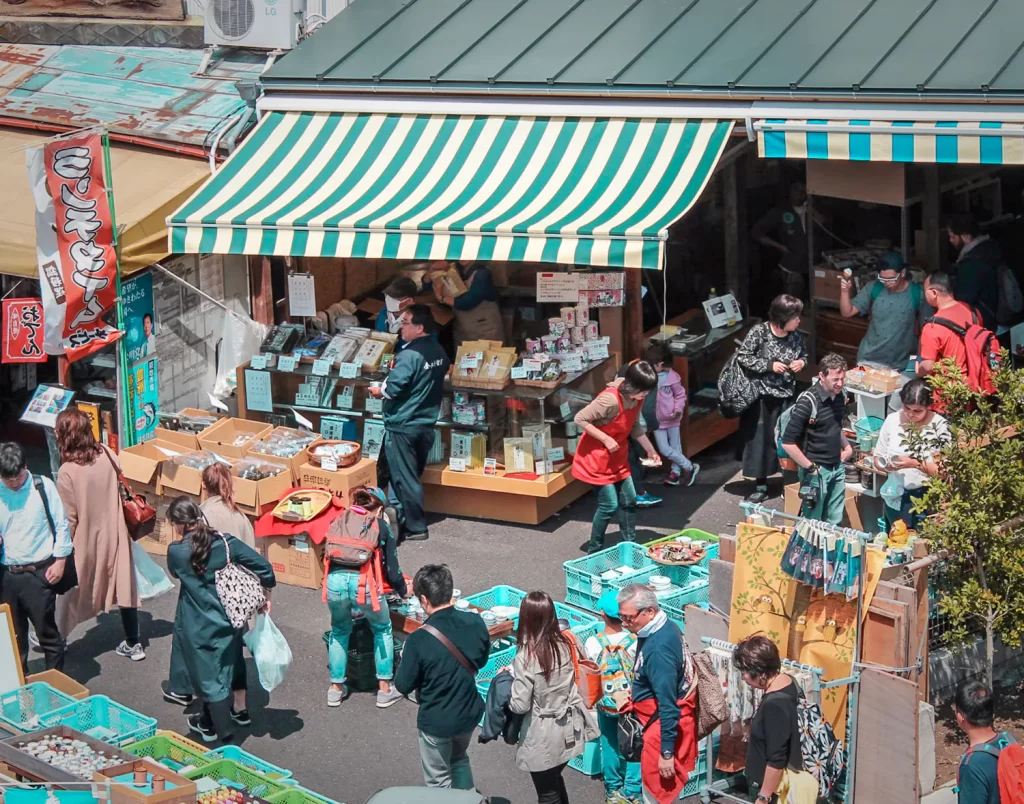
The best food markets carry a history of the place they are in – the trading routes that brought certain spices, the agricultural conditions that favour certain produce, the cultural crossovers that explain why a particular dish exists at all. This is the version of food travel that a guided food tour is trying to replicate in a more structured form, and it is the same instinct that makes a morning in a municipal market one of the more memorable things you can do in a new city.
The Slow Food movement has spent decades documenting food communities precisely because the knowledge embedded in local food cultures is fragile and easily lost when global supply chains homogenise what is available. A market is one of the places where that knowledge is still visible, still in use, still worth paying attention to.
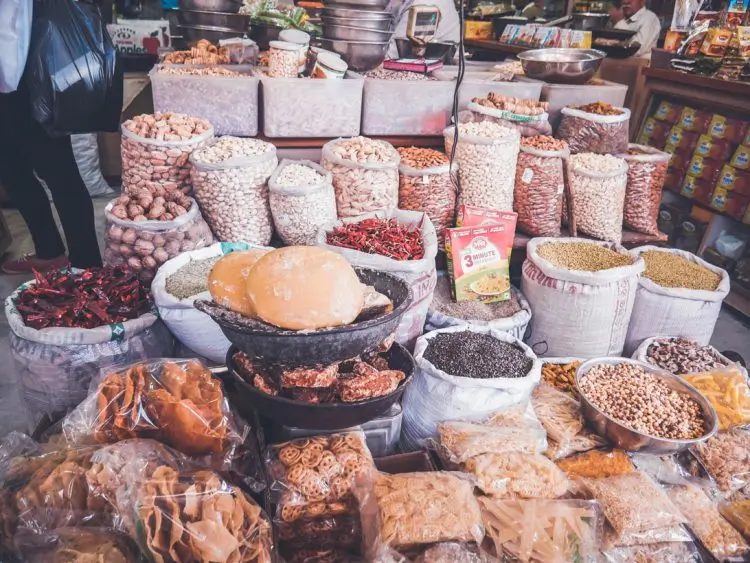
For travellers who self-cater, there is also a straightforward practical case for finding the local market early in a trip. The produce is fresher, the prices are lower than supermarket equivalents for seasonal items, and the act of shopping alongside local people recalibrates your sense of scale in a new place faster than almost anything else.
That rhythm is not a travel affectation – it is how many of the world’s most enduring food cultures actually work. If you want to understand a place beyond the version presented to visitors, the market is often a better starting point than the guidebook.